

Wheelchair Accessible Hotels in Venice
Search accessible hotelsVenice · Choose a date
Accessible hotels in Venice
24 hotels found
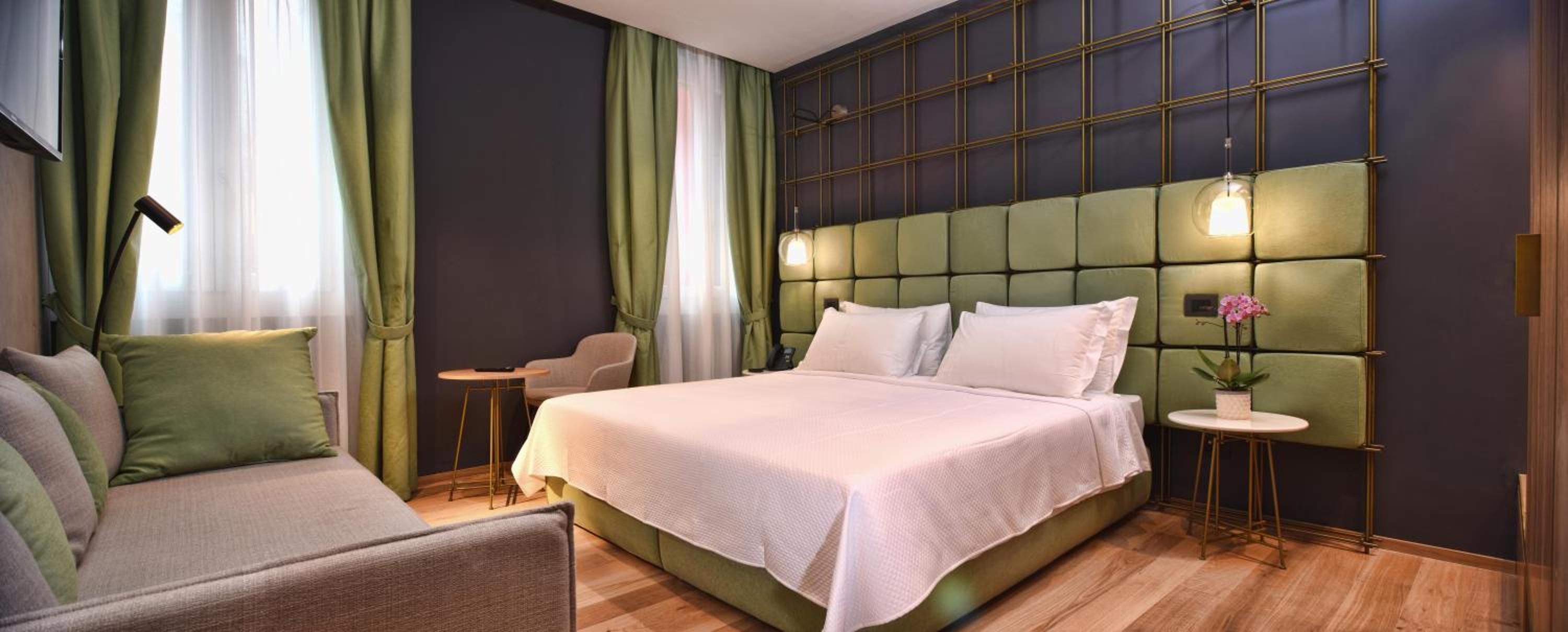
Hotel Maison Ducal
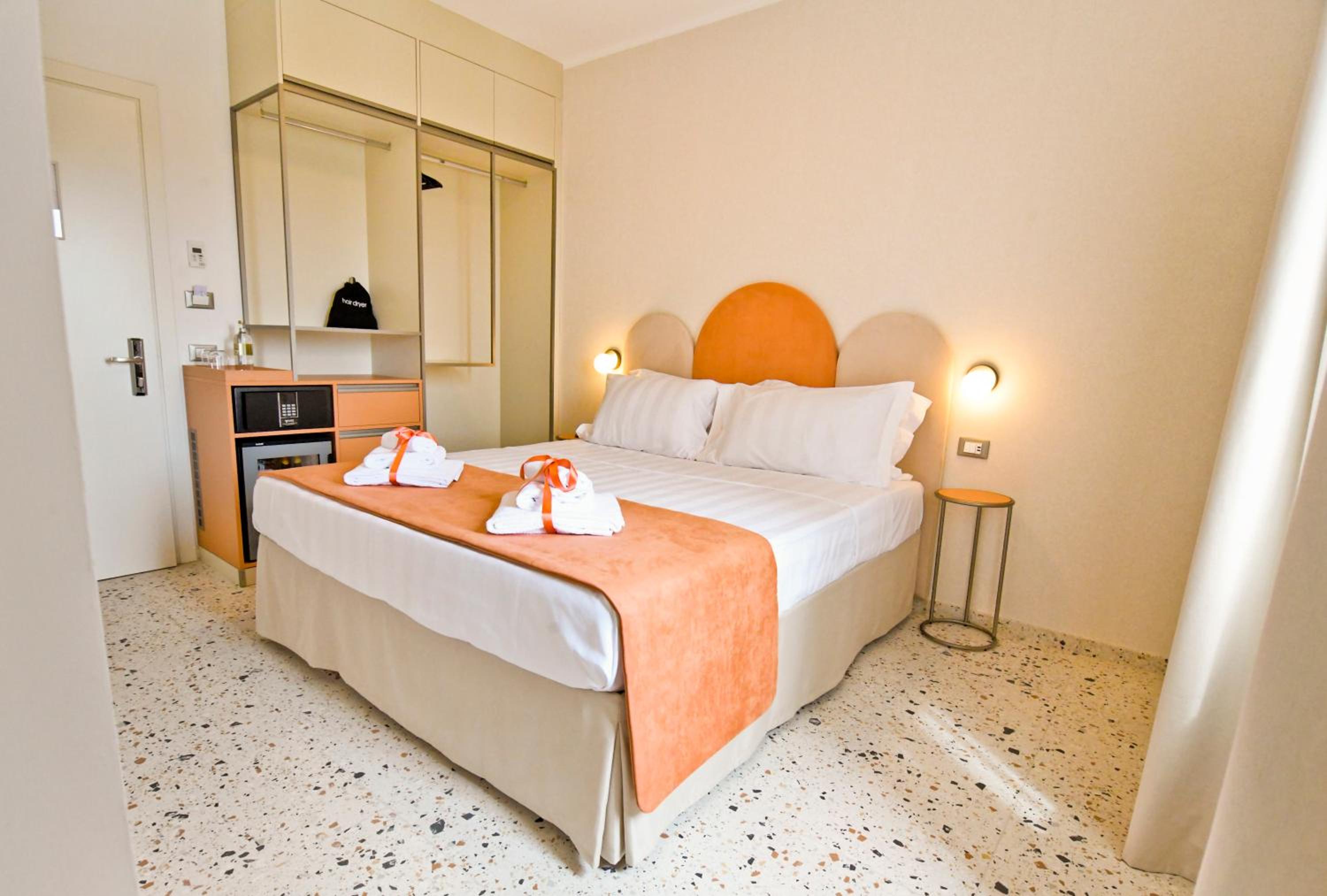
Maison Boutique Al Redentore
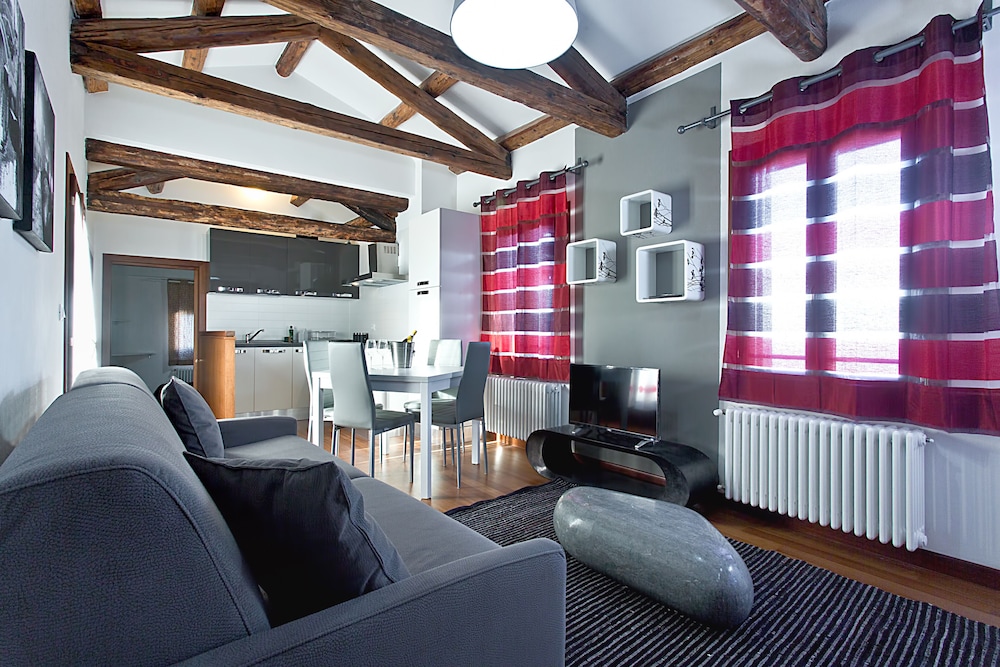
Good Wine Apartments
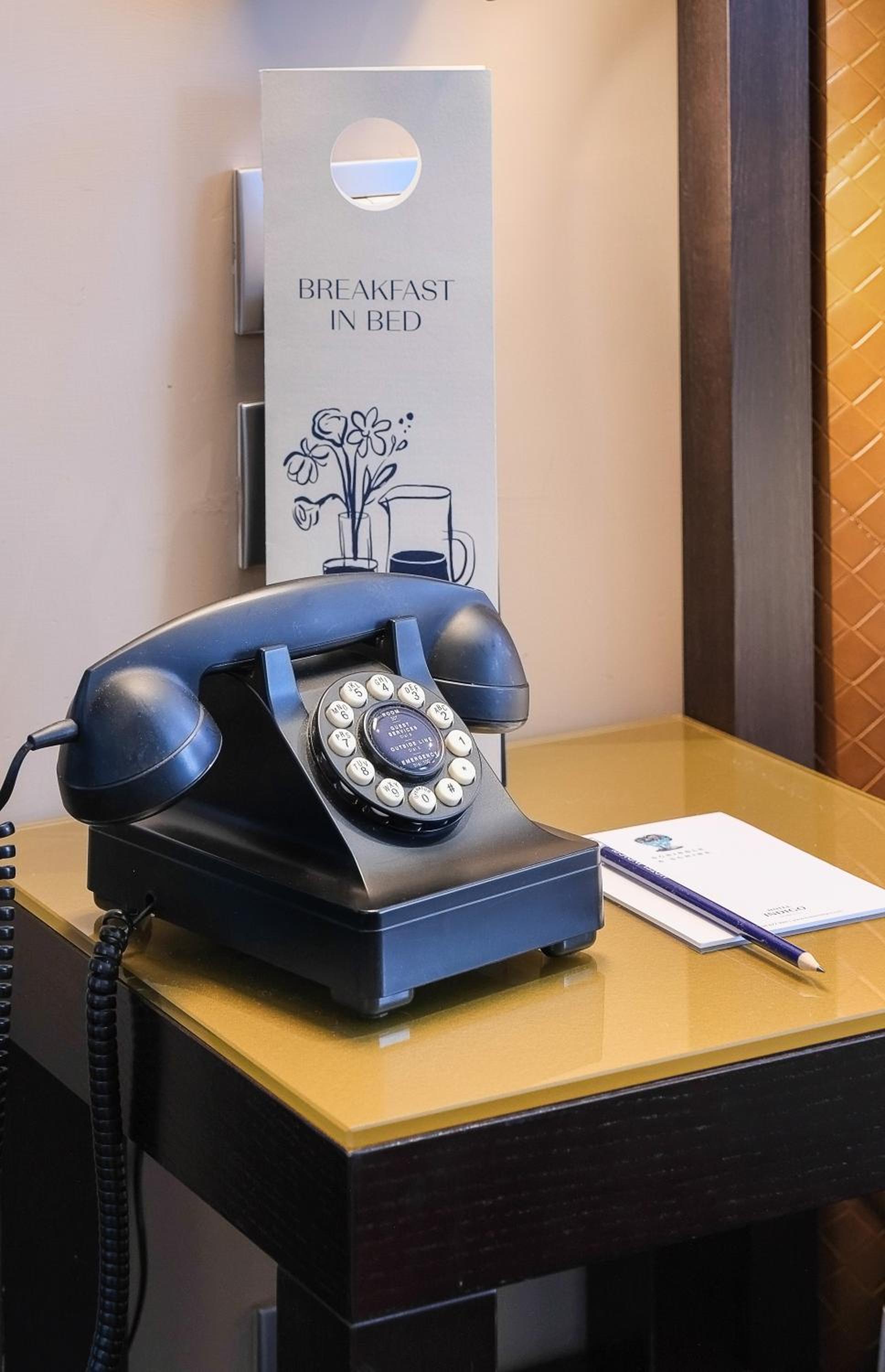
Hotel Indigo Venice - Sant'Elena by IHG
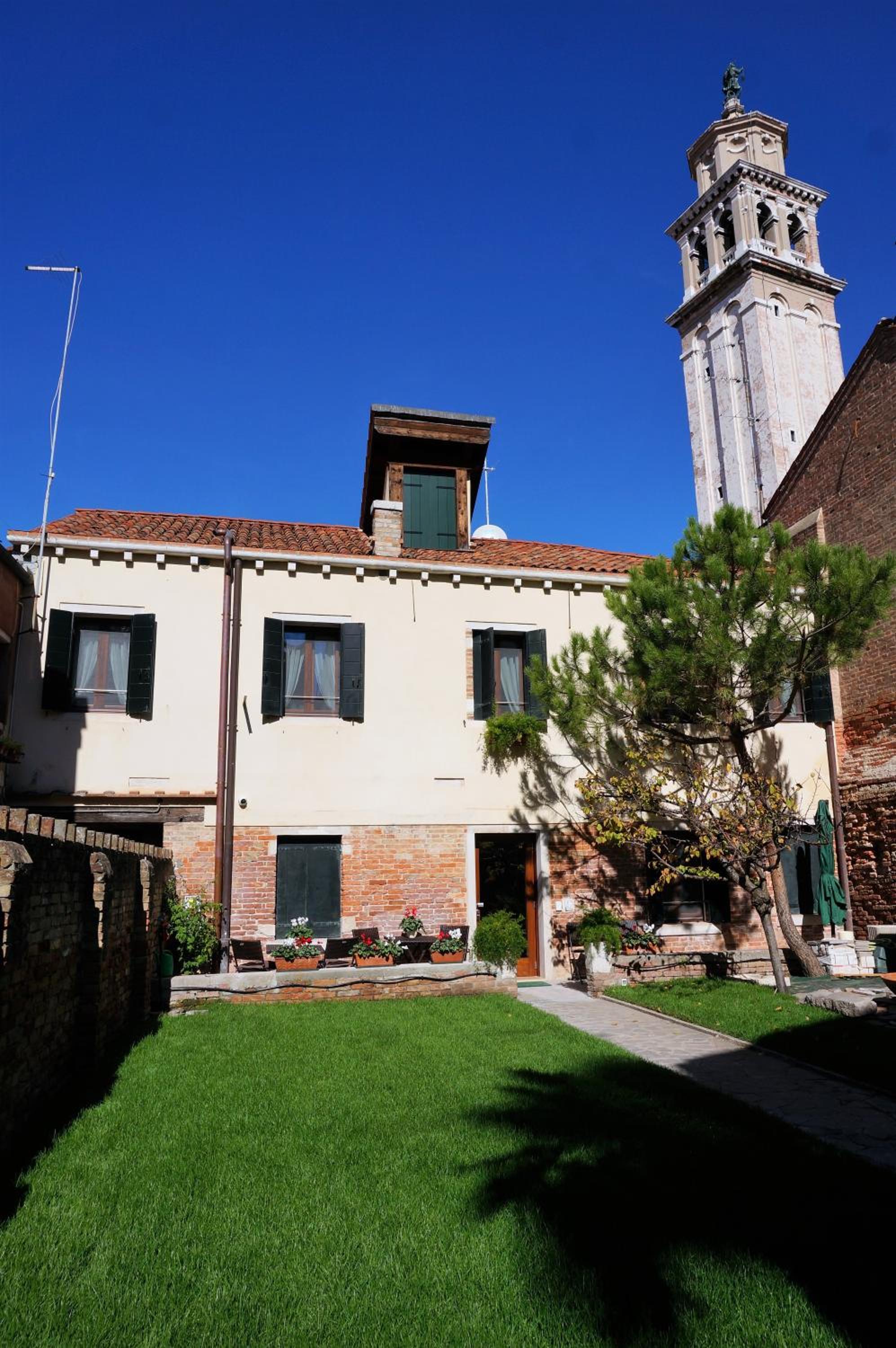
B&B HORTUS
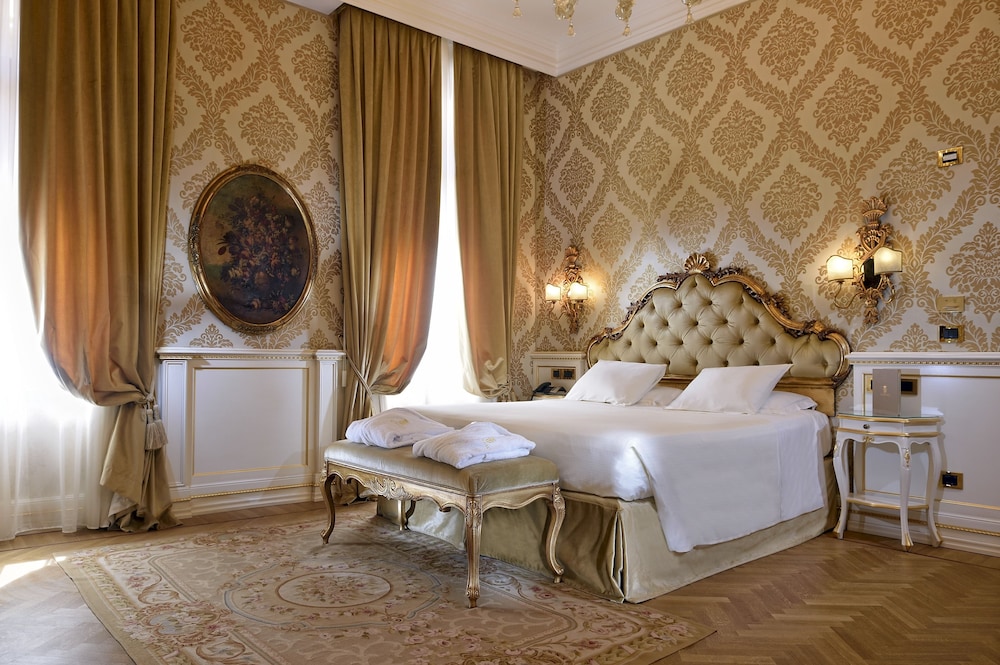
Hotel Ai Reali di Venezia
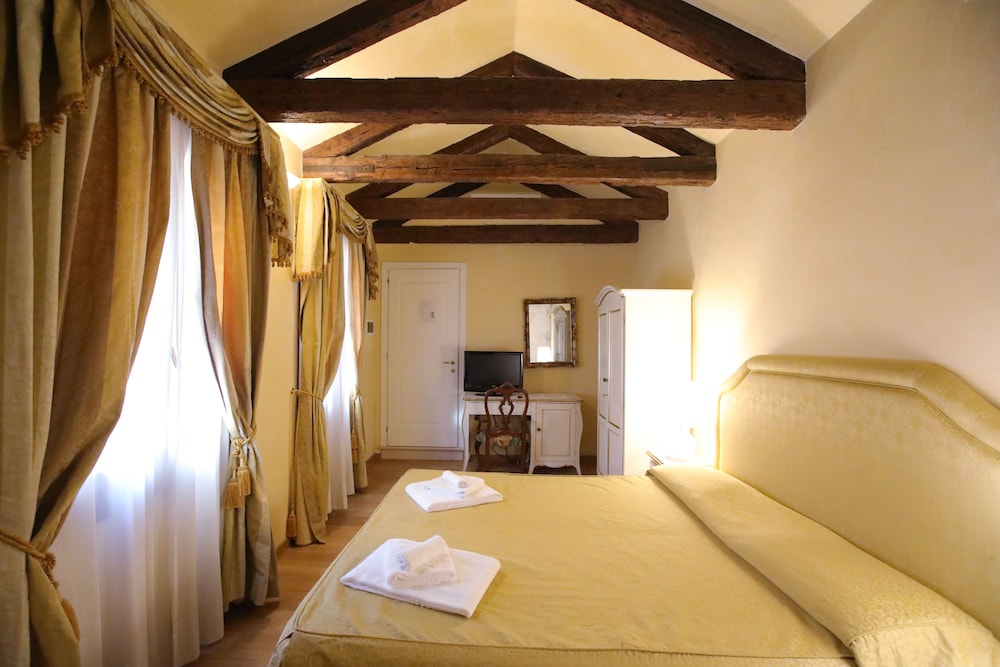
Alla Vigna - Room Only

Danieli, Venezia, A Four Seasons Hotel
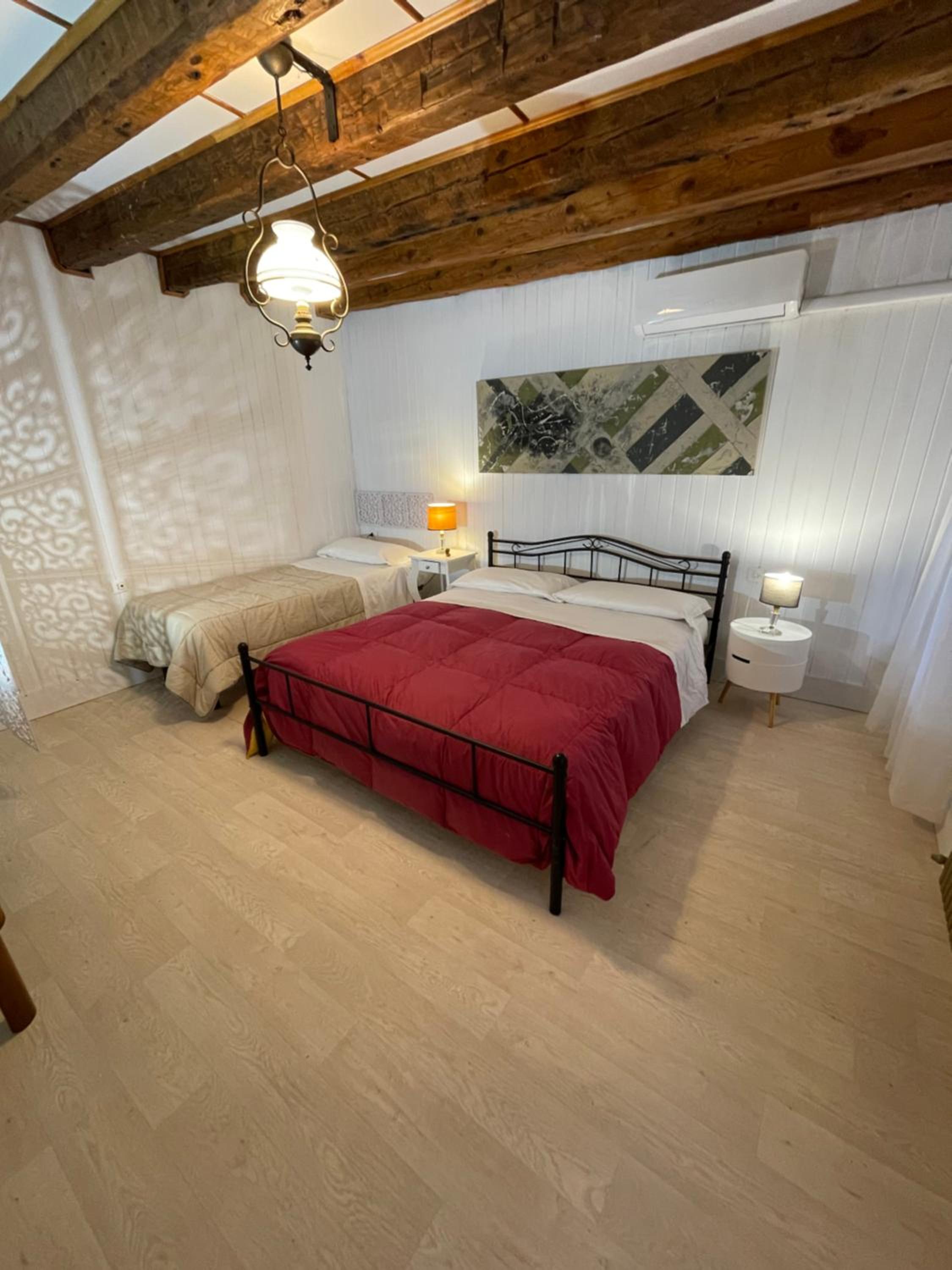
Residence Fortuny Princessclass
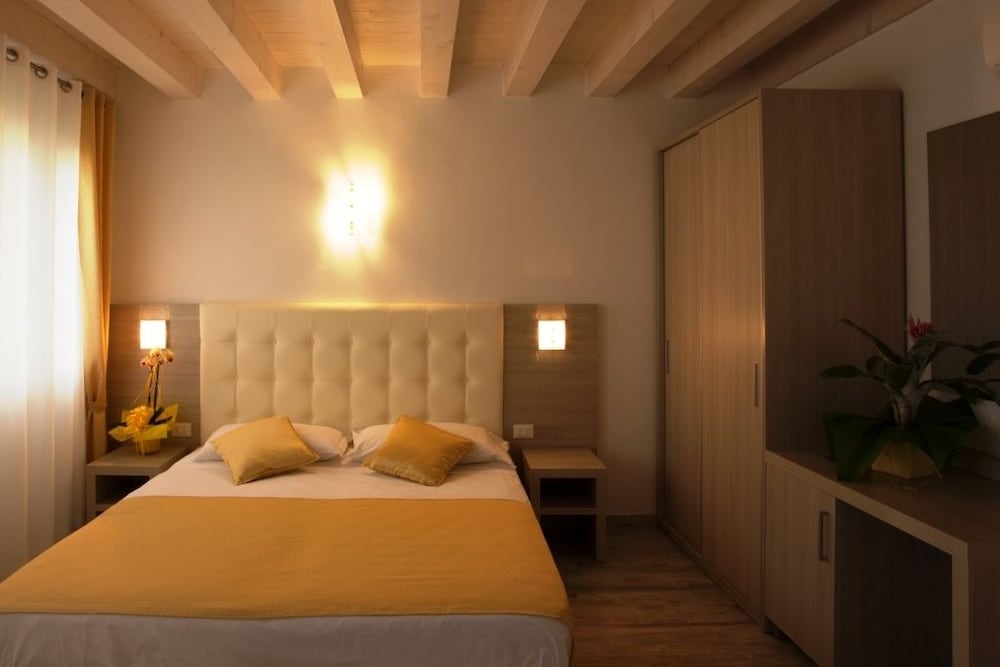
Locanda Stravedo
Wheelchair Accessible Hotels in Venice
Venice at a Glance
- Canals divide Venice into islands connected by bridges, and many bridges still rely entirely on steps.
- ACTV vaporetti are essential mobility links, allowing wheelchair users to bypass routes that would otherwise require repeated bridge crossings.
- Water levels, crowds, and the gap between a floating stop and a boat can affect boarding conditions throughout the day.
- Choosing accommodation by the exact bridge-free route from a vaporetto stop is more useful than choosing by map distance.
Wheelchair accessibility in Venice
In Venice, Italy, vaporetti connect Santa Lucia station, Piazzale Roma, Rialto, San Marco, the outer islands, and residential districts. Crews use boarding plates where needed, but space and boarding angles vary with the tide and crowding. Identify the suitable stop for each direction, wait where staff can see you, and allow extra time. ACTV notices help with temporary stop changes.
On land, calli and campi are often reasonably firm, but a single stepped bridge can end an otherwise level route. Quays may have uneven edges, narrow passages, or temporary high-water walkways. Do not rely on a standard walking itinerary. Build each outing as a chain of accessible islands connected by water transport, and keep a return route that does not depend on an unchecked bridge.
Finding the right accessible hotel in Venice
Santa Lucia and Piazzale Roma simplify arrival from trains, buses, and adapted road transport, but even nearby hotels can sit beyond a stepped bridge. Ask the hotel to confirm the route from the arrival point door by door, naming every bridge and threshold. Also check lift access, bathroom clearances, and whether reception shares the accessible entrance.
San Marco, Cannaregio, Castello, and Dorsoduro each contain both reachable pockets and isolated lanes. Base the choice on a specific vaporetto stop and a confirmed bridge-free path, not the district name. Mestre offers conventional streets and road transport on the mainland, although every sightseeing day then requires a transfer into Venice.
What makes Venice special for wheelchair users
Piazza San Marco provides a wide, dramatic public space, but high water and dense crowds can alter the easiest approach. The basilica and Doge's Palace use designated accessible routes, with some historic areas remaining restricted. Contact each venue for the current entrance procedure and arrive with enough time to find the correct door.
The Peggy Guggenheim Collection and selected Biennale venues provide more contemporary layouts, though access differs by building. Vaporetto journeys themselves are part of the experience, giving open views of the Grand Canal, palaces, and lagoon without bridge barriers. Venice rewards careful route planning more than speed, with each reachable island explored on its own terms.