

Wheelchair Accessible Hotels in Tokyo
Search accessible hotelsTokyo · Choose a date
Accessible hotels in Tokyo
109 hotels found
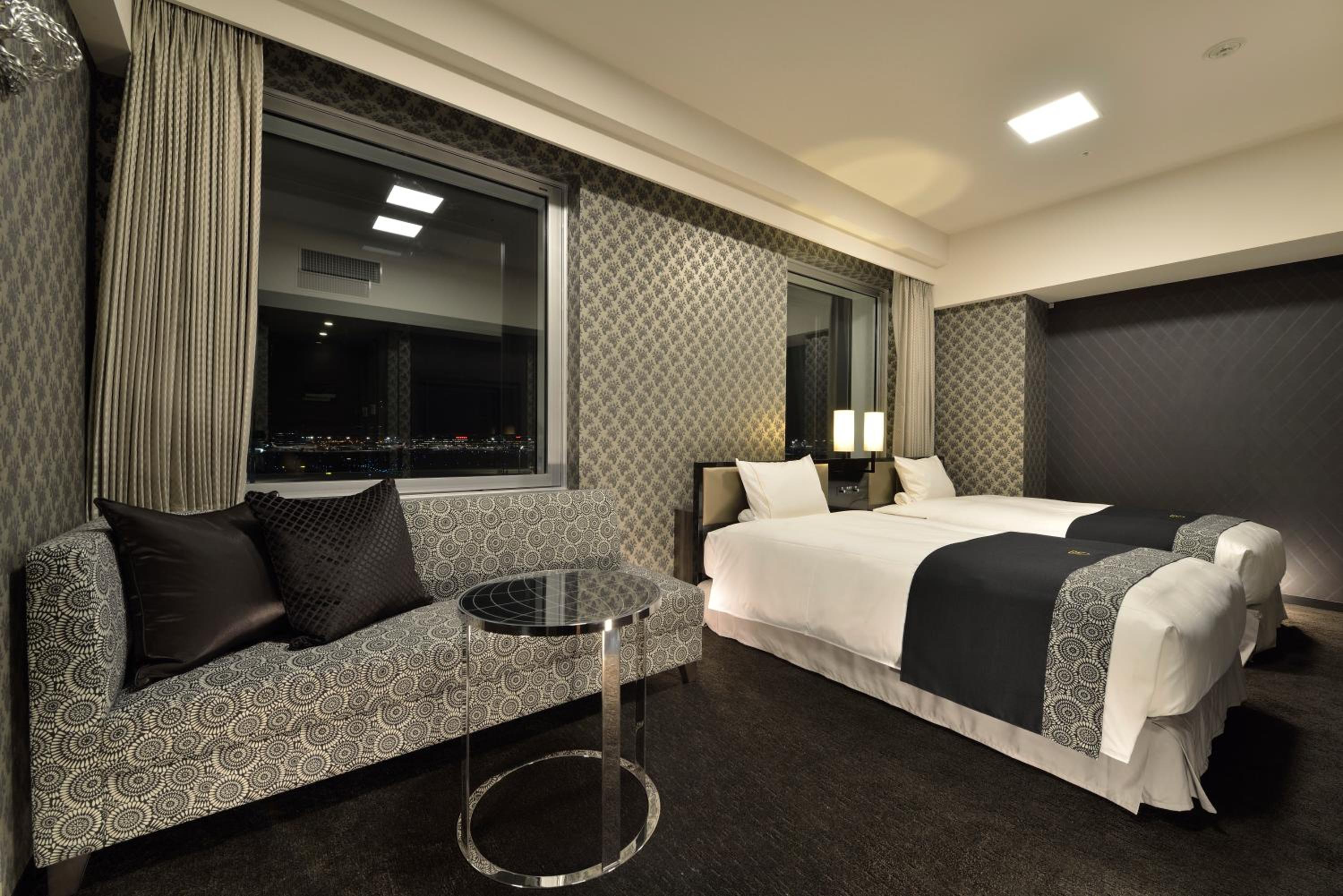
The Royal Park Hotel Tokyo Haneda Airport Terminal 3
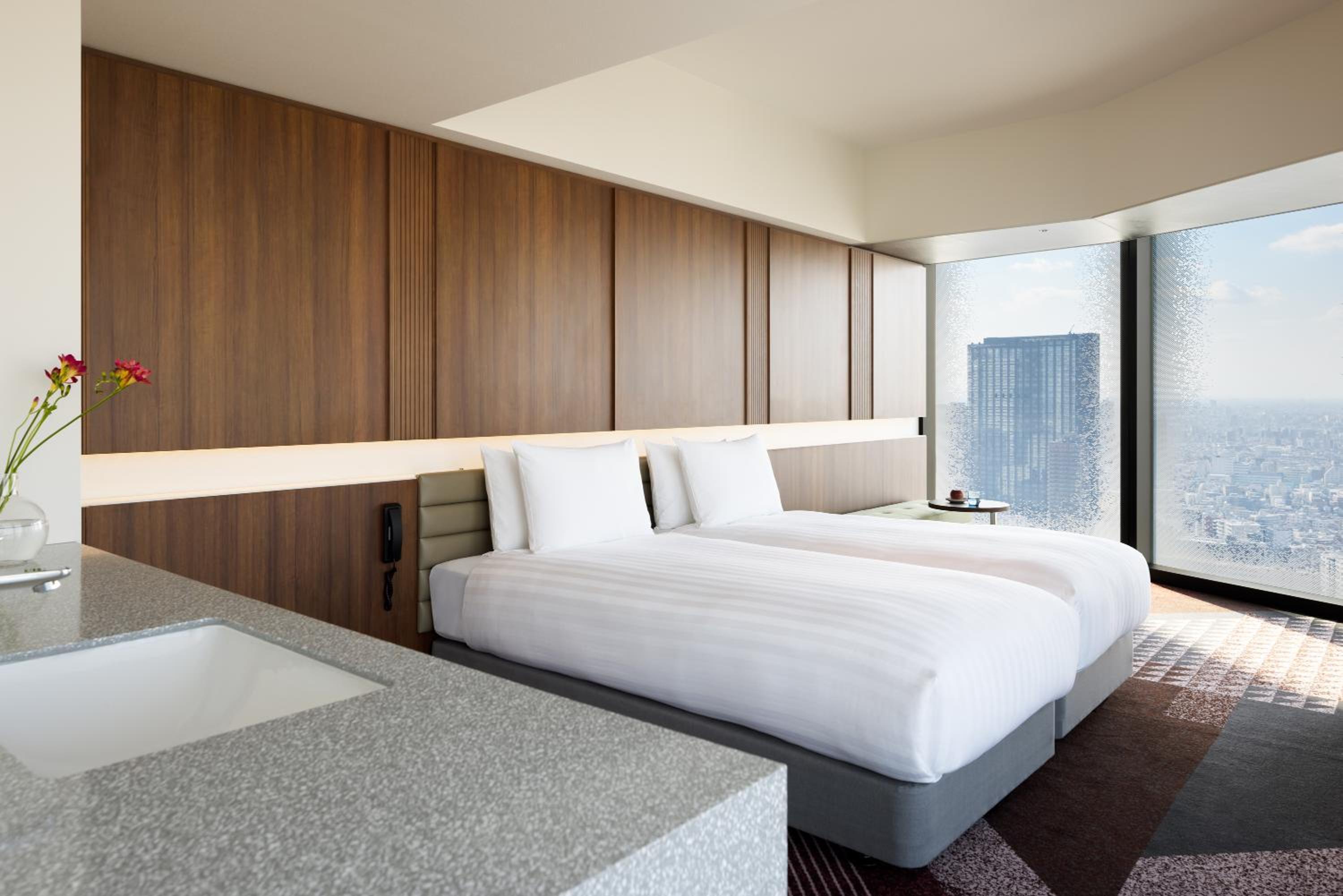
HOTEL GROOVE SHINJUKU, A PARKROYAL Hotel
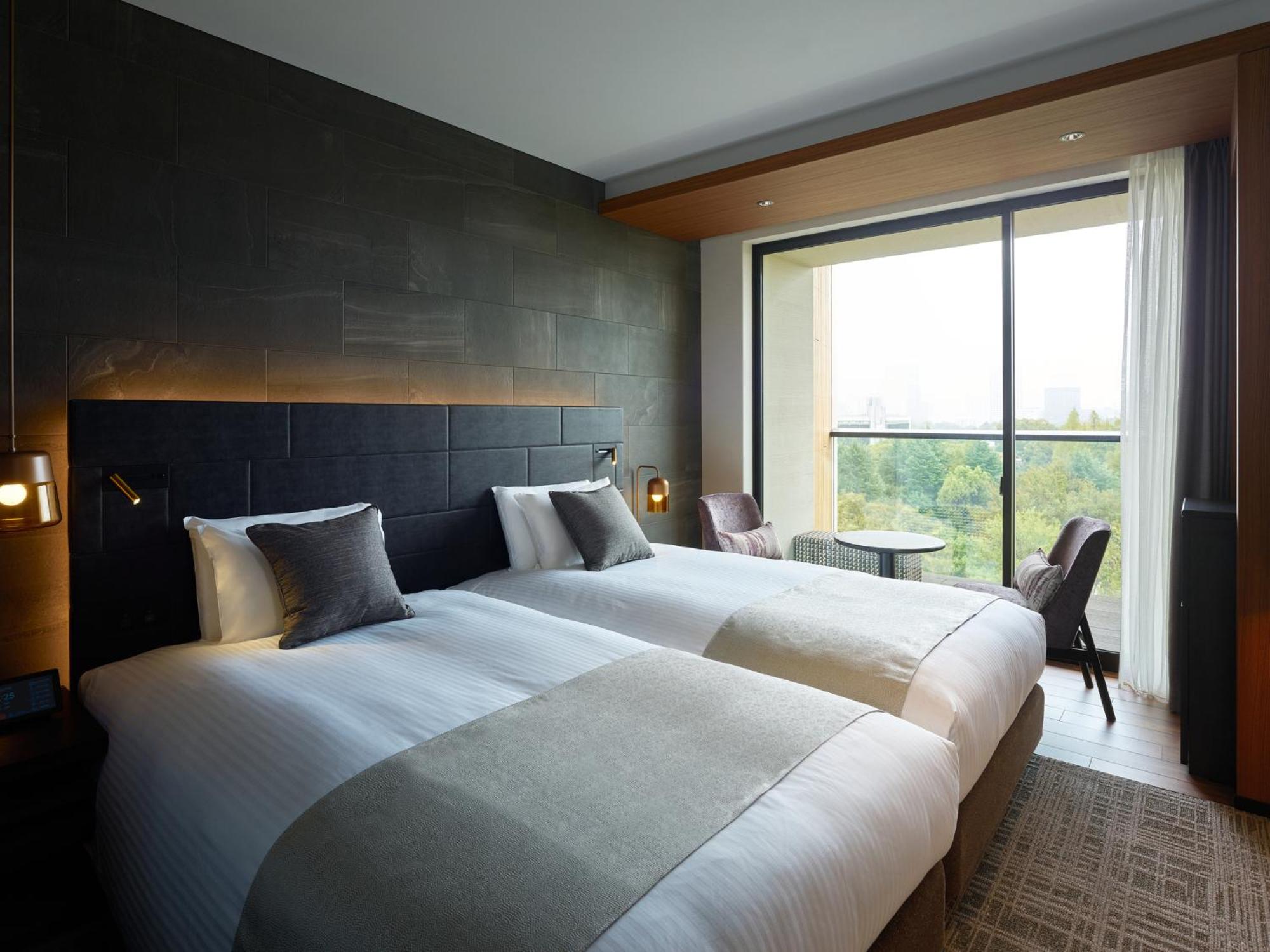
Mitsui Garden Hotel Jingugaien Tokyo Premier
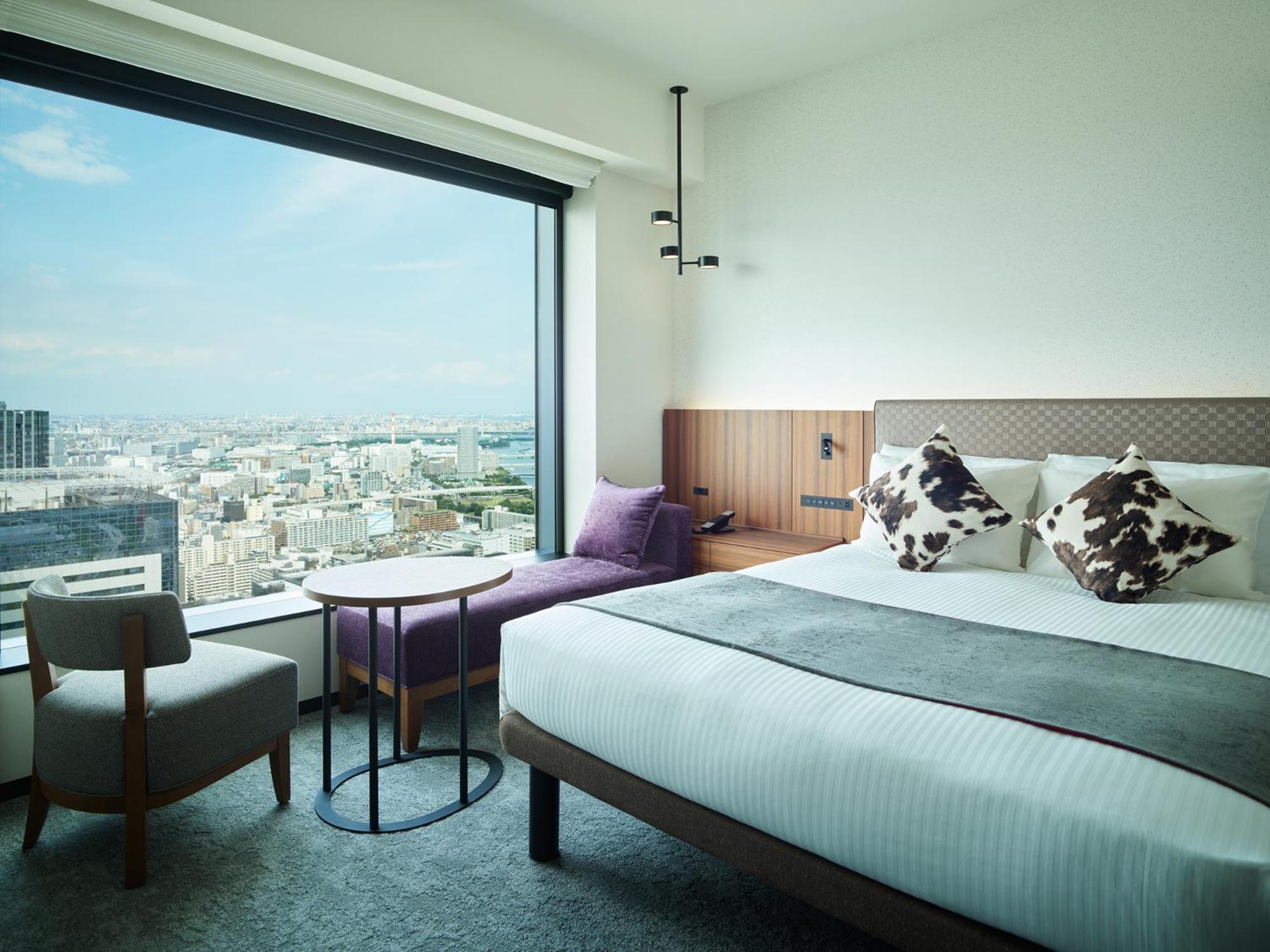
Mitsui Garden Hotel Toyosu Premier - Tokyo
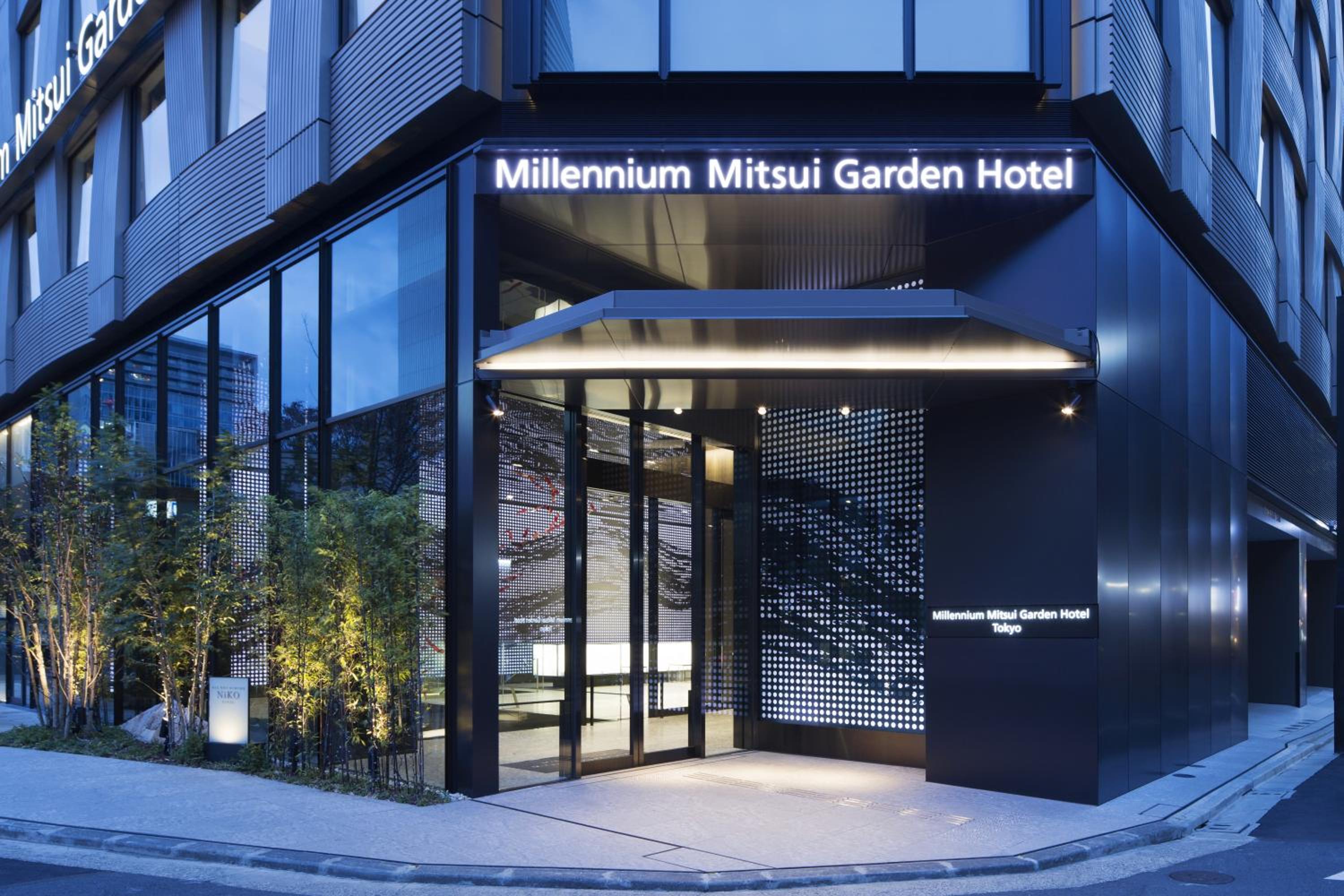
Millennium Mitsui Garden Hotel Tokyo - Ginza
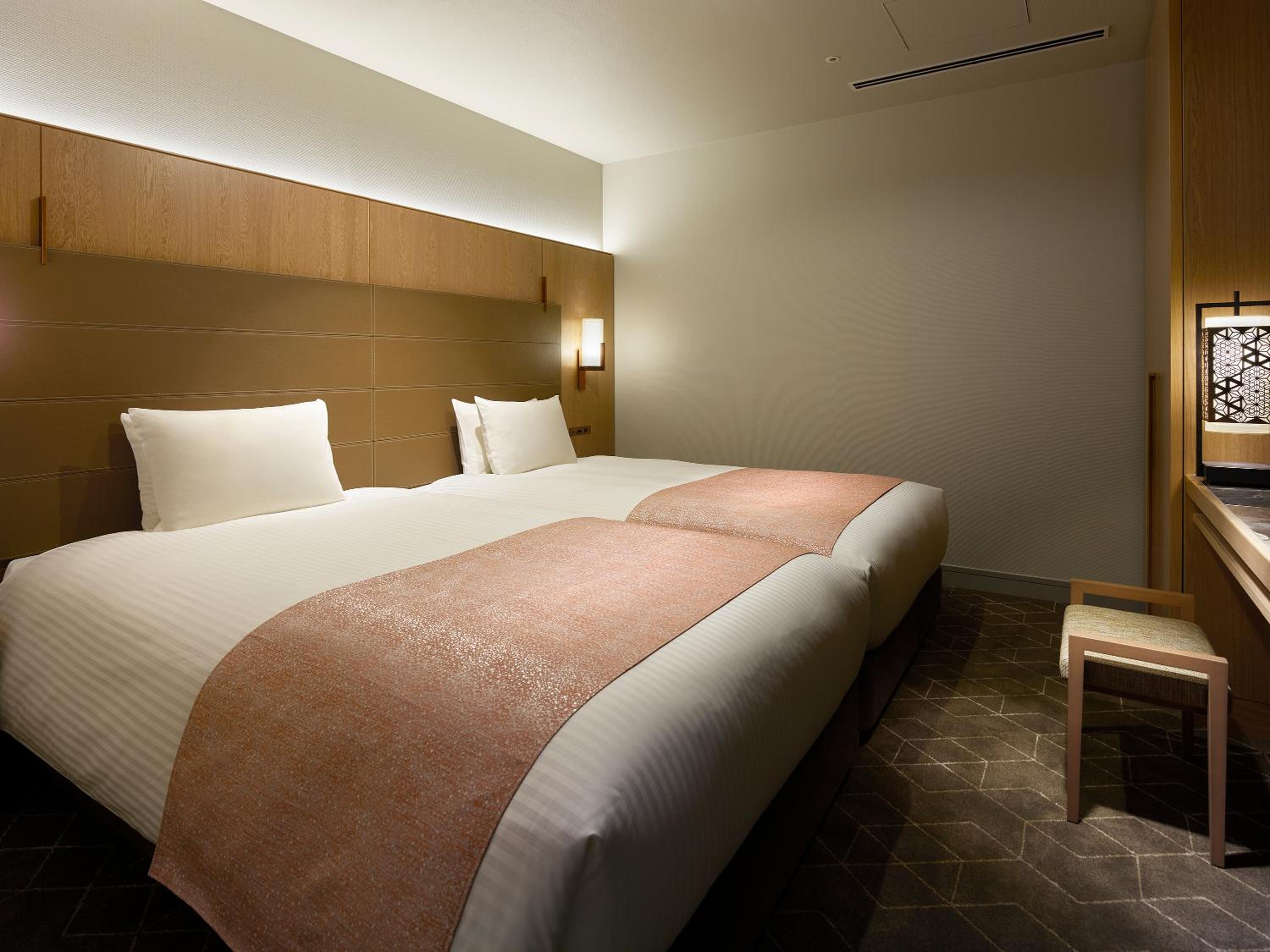
Hotel The Celestine Tokyo Shiba
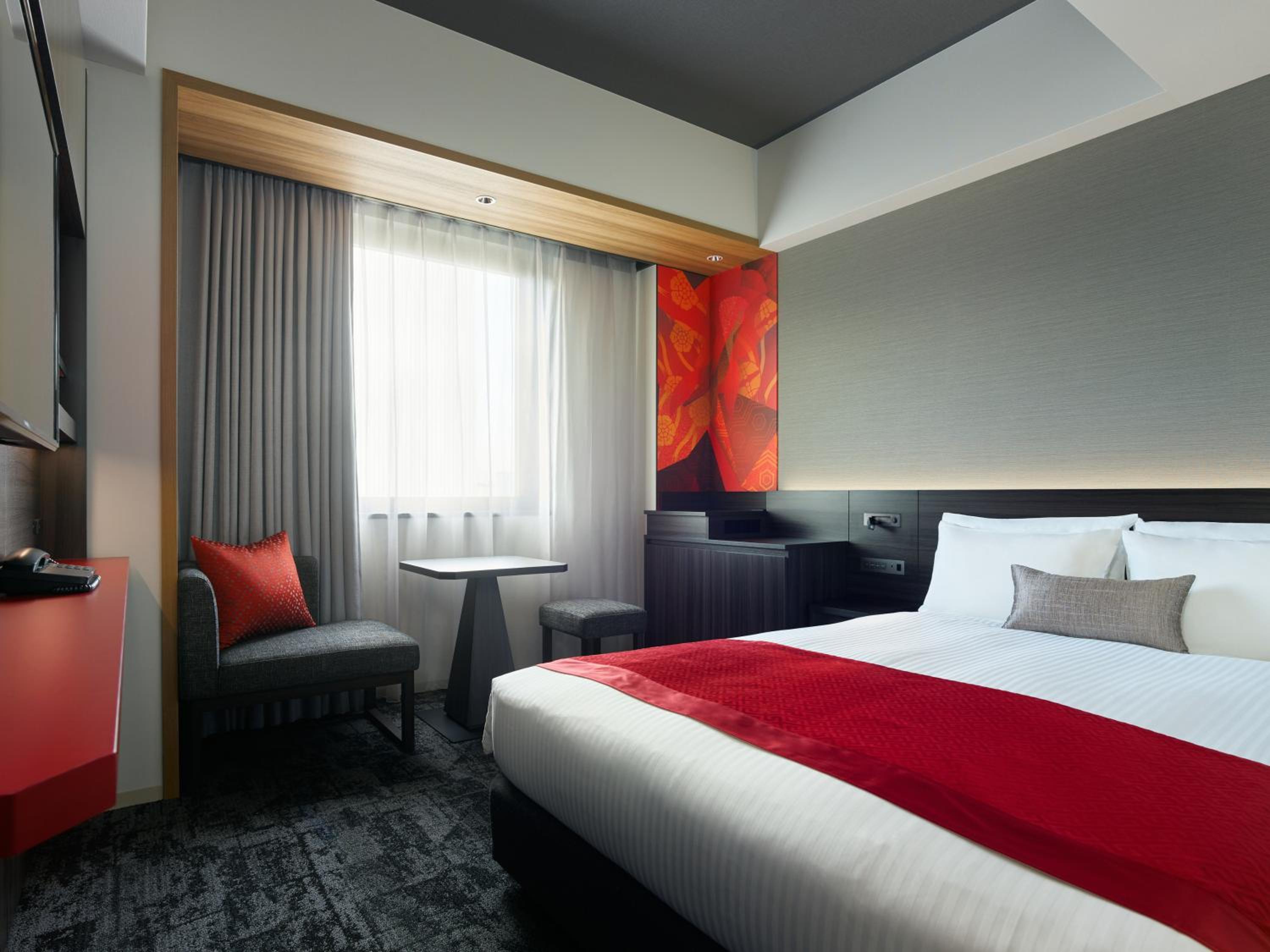
Mitsui Garden Hotel Ginza-gochome
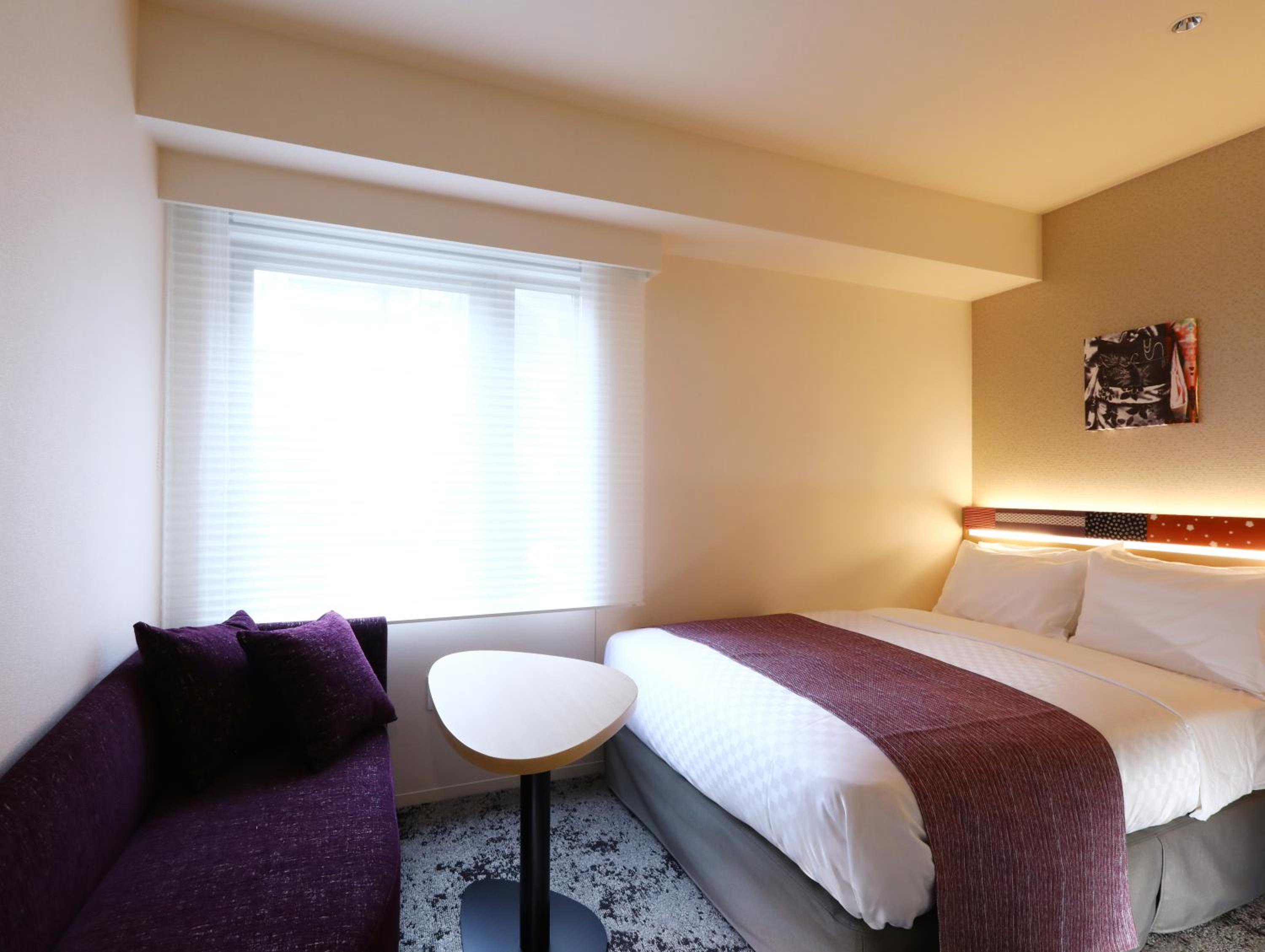
Hotel Gracery Asakusa
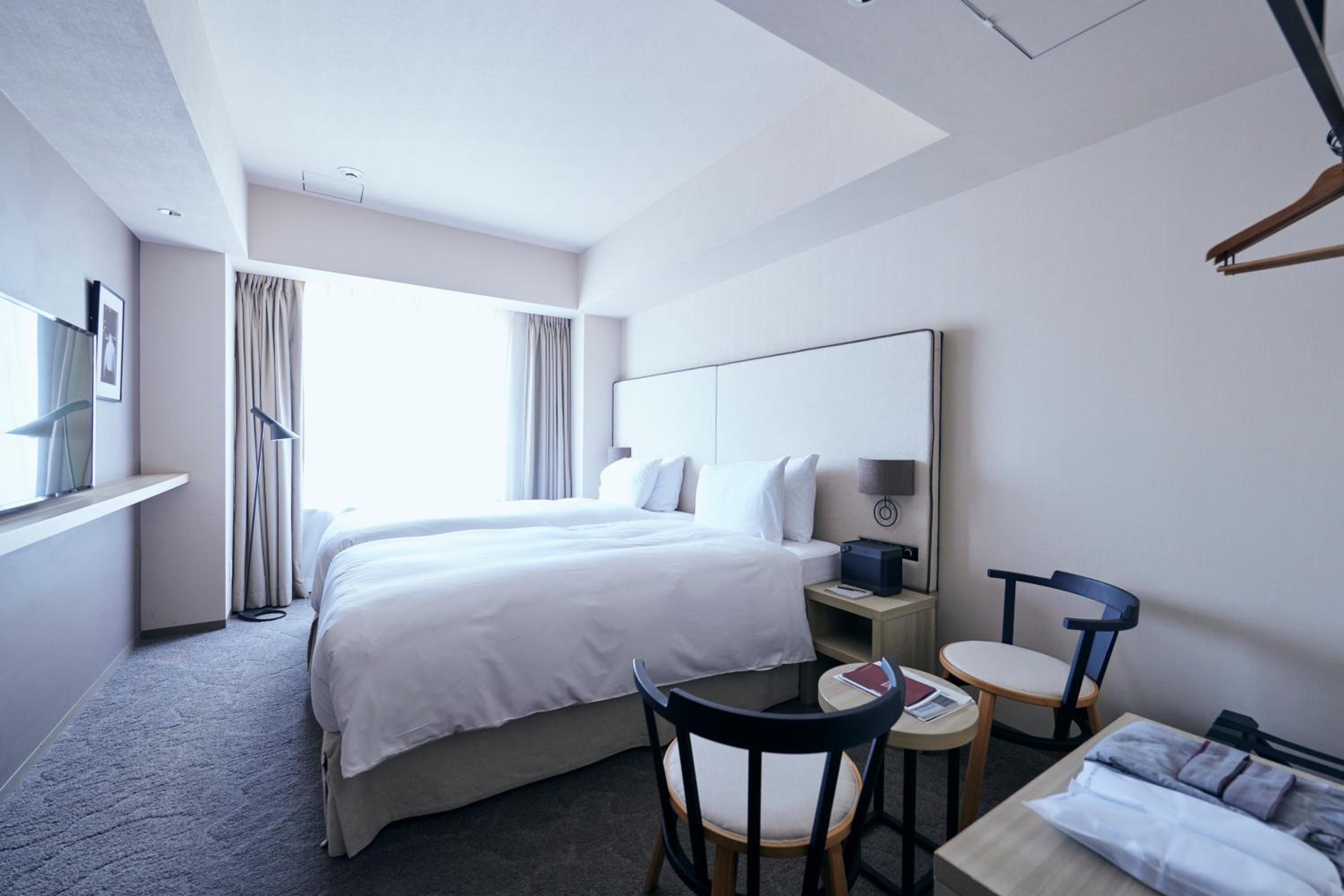
NOHGA HOTEL UENO TOKYO
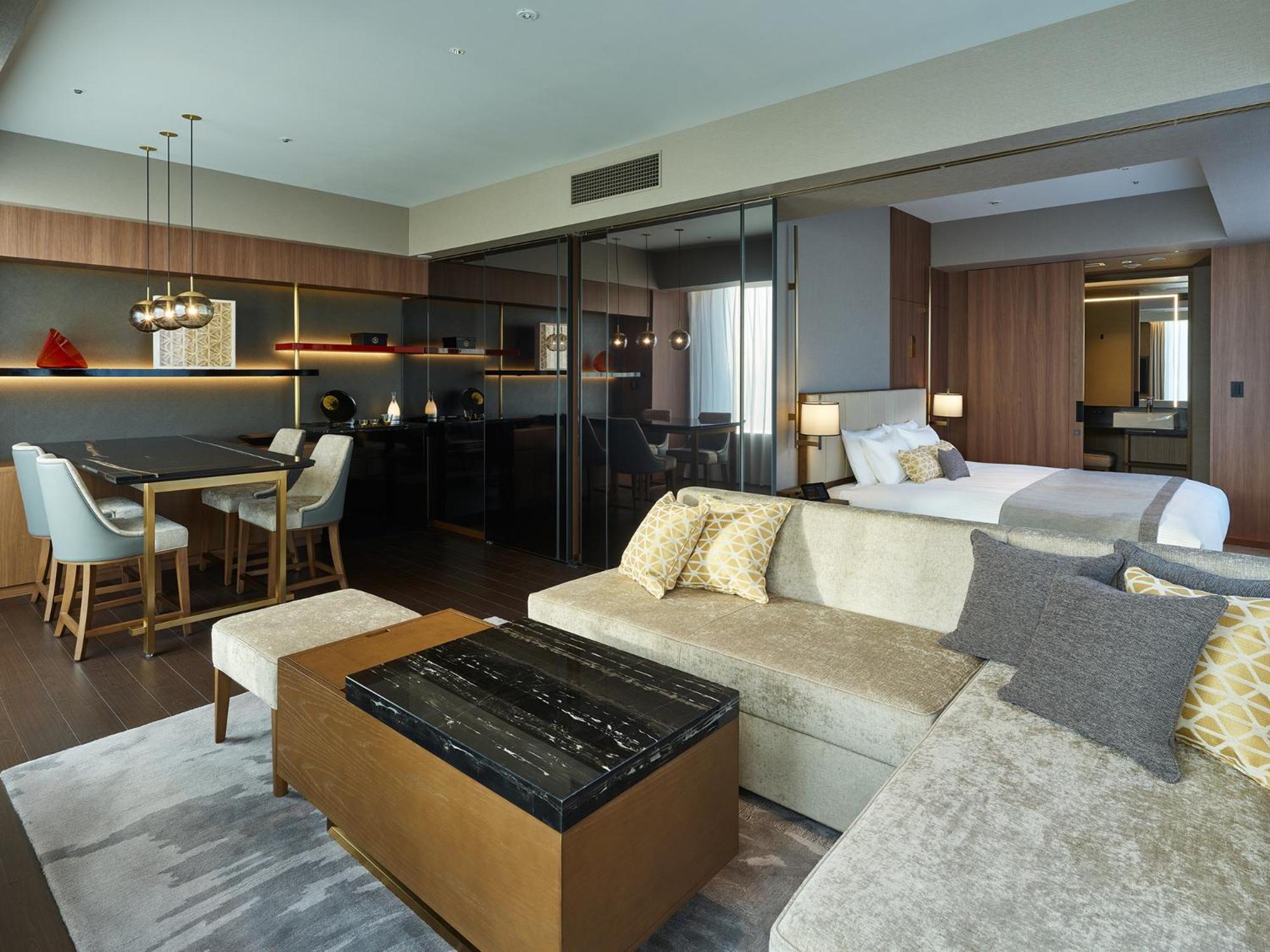
Mitsui Garden Hotel Roppongi Tokyo Premier
Wheelchair Accessible Hotels in Tokyo
Tokyo at a Glance
- JR East, Tokyo Metro, and Toei station maps help travelers identify lifts, accessible exits, and step free transfers.
- Tactile paving is widespread, while major stations can involve long indoor distances and busy concourses.
- Central districts are generally easier to navigate than the steeper lanes found around some temples and older neighborhoods.
- Station staff can assist with boarding gaps, but allowing extra time makes complex interchanges less stressful.
Wheelchair Accessibility in Tokyo
Tokyo, Japan has an exceptionally extensive public transport network, but the most convenient wheelchair route is not always the route with the fewest stops. JR East, Tokyo Metro, and Toei provide station diagrams showing lifts and accessible ticket gates. Check the correct street exit before traveling, because an accessible exit may be on the opposite side of a large road or building complex.
Wide pavements and dropped kerbs are common in commercial areas such as Marunouchi, Ginza, and Odaiba. Shinjuku and Shibuya can feel demanding because of crowds, long passages, and multilevel crossings. Older areas around Yanaka and parts of Asakusa have narrower streets or uneven surfaces. Staff assistance is useful when a train gap or platform height needs a portable ramp.
Finding the Right Accessible Hotel in Tokyo
Choose a Tokyo base by looking at the whole route between the hotel entrance and an accessible station exit. Marunouchi and Ginza suit travelers who value broad pavements, straightforward taxi access, and connections through Tokyo Station. Odaiba offers spacious waterfront paths, although journeys to older eastern districts take more planning. Confirm that the nearest lift serves the side of the road you need.
Shinjuku provides strong rail connections, but its station footprint and surrounding crossings can add considerable effort. Asakusa places historic sights close together, with some uneven temple approaches. Before settling on an area, ask the property about a level entrance, lift dimensions, bathroom layout, and the route from reception. A precise access conversation is more useful than a general accessibility label.
What Makes Tokyo Special for Wheelchair Users
Tokyo pairs dense urban neighborhoods with accessible cultural venues. Ueno Park links broad paths with the Tokyo National Museum, National Museum of Nature and Science, and other major institutions. Tokyo Skytree and the surrounding Solamachi complex have modern circulation routes. At Sensoji, the main approach is largely level, but crowds and thresholds around smaller buildings deserve attention.
Odaiba provides wide promenades, bay views, and roomy modern complexes, making it a calmer contrast to central station hubs. The Imperial Palace East Gardens require more surface and slope planning, while nearby Marunouchi is easier underfoot. Wherever you go, checking the entrance named on the venue access page prevents an unnecessary detour around a very large block.