

Wheelchair Accessible Hotels in New York
Search accessible hotelsNew York · Choose a date
Accessible hotels in New York
357 hotels found
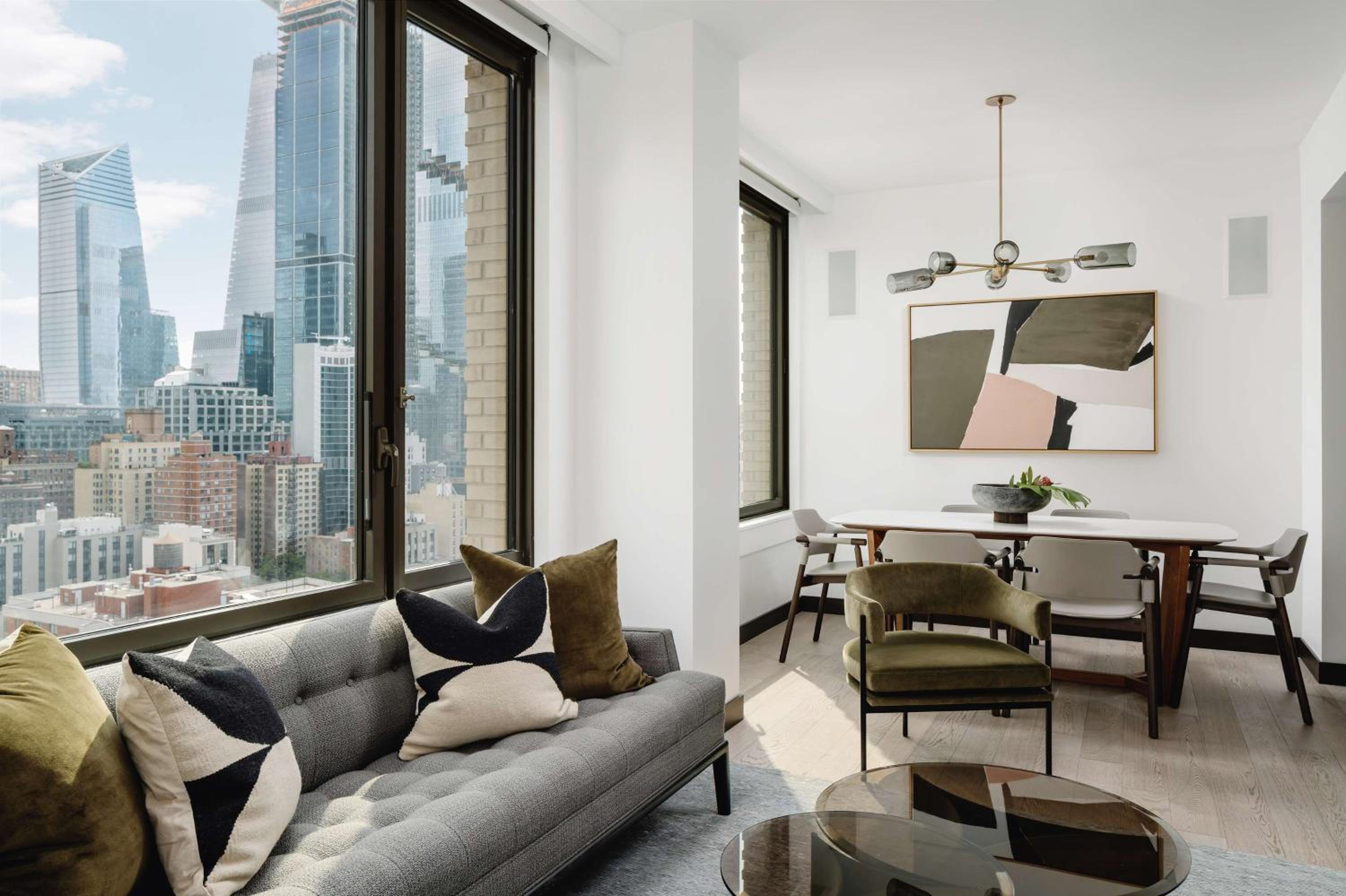
Arlo Midtown
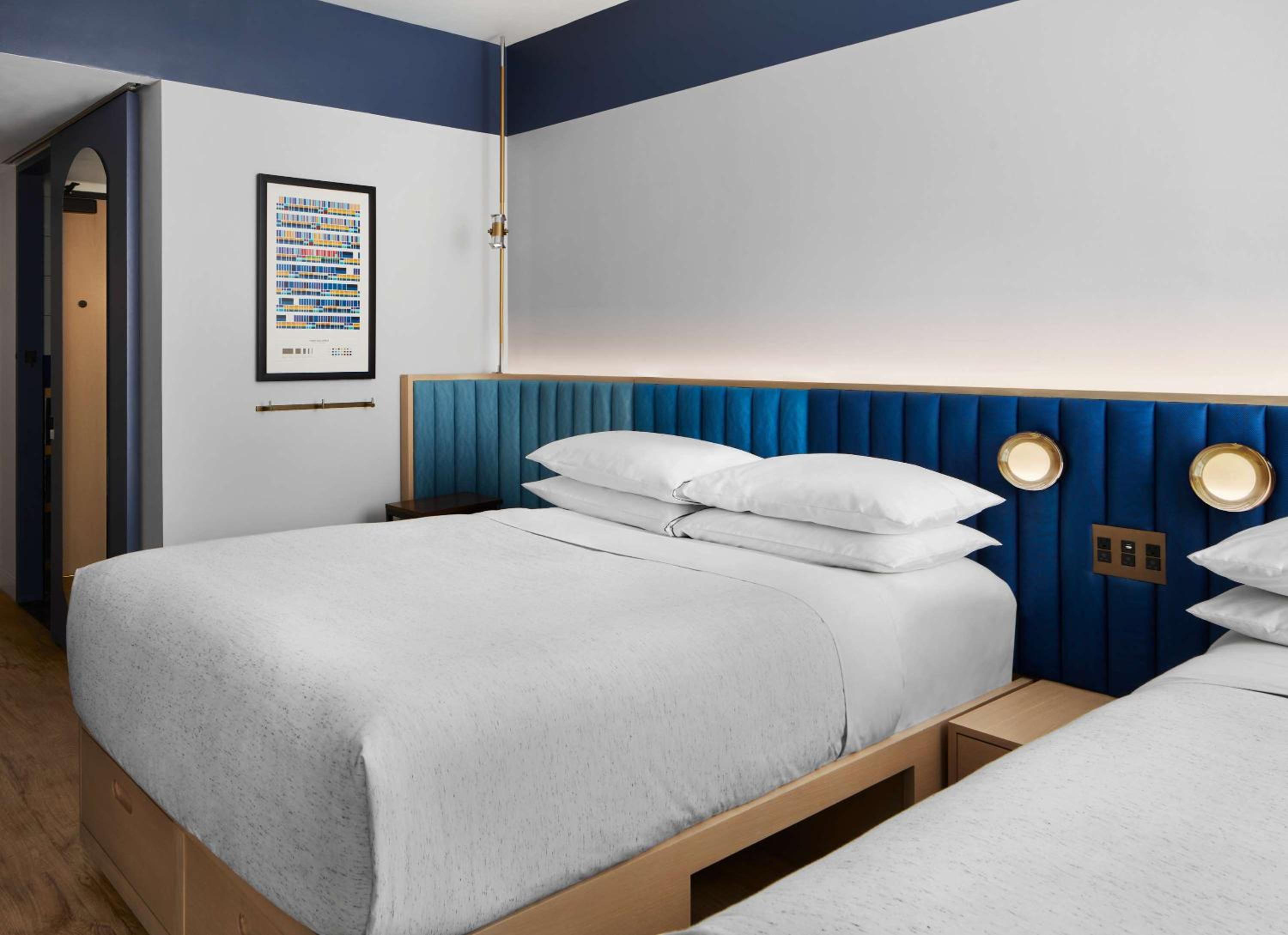
Motto by Hilton New York City Chelsea
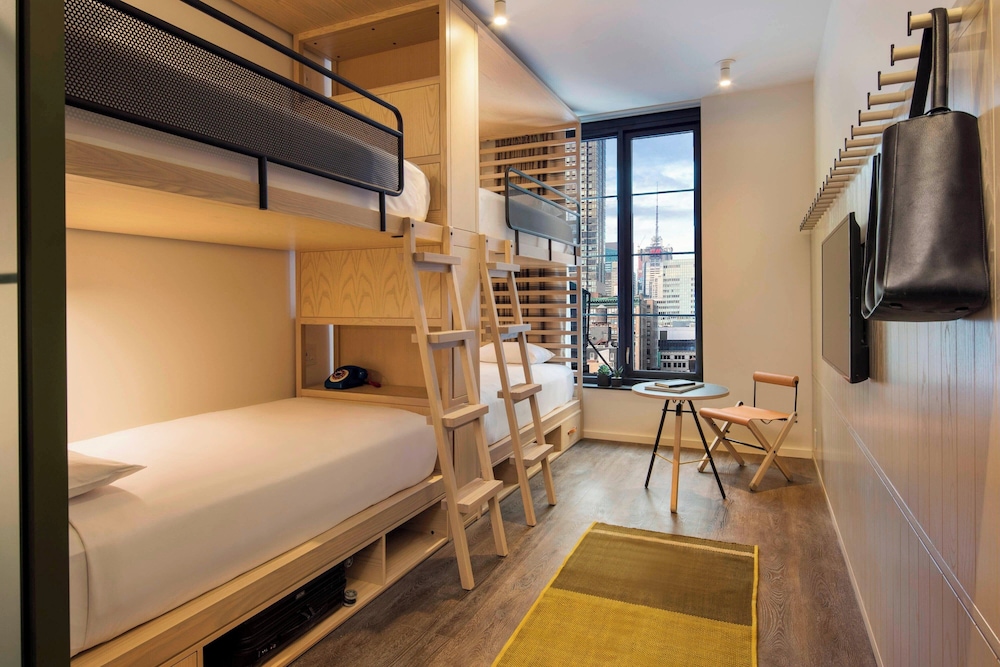
Moxy NYC Chelsea
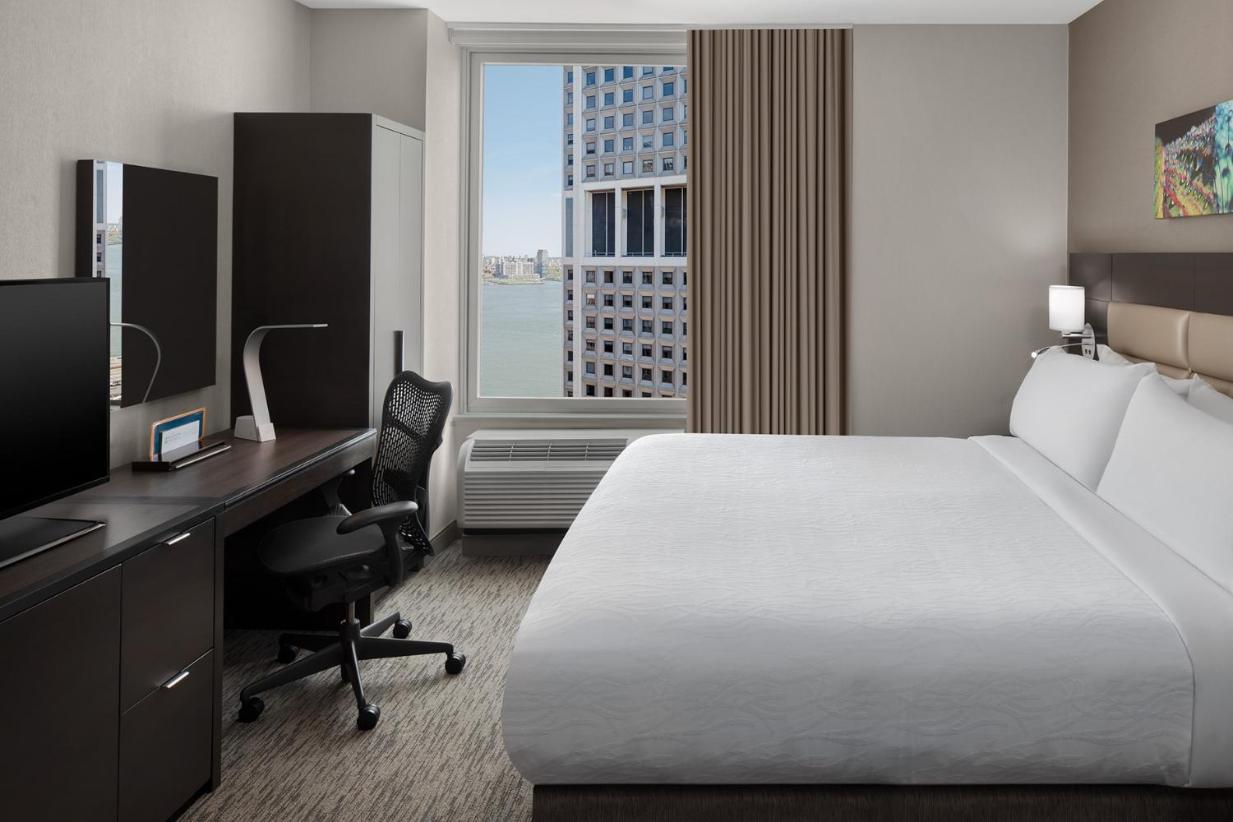
Hilton Garden Inn NYC Financial Center/Manhattan Downtown

LUMA Hotel - Times Square
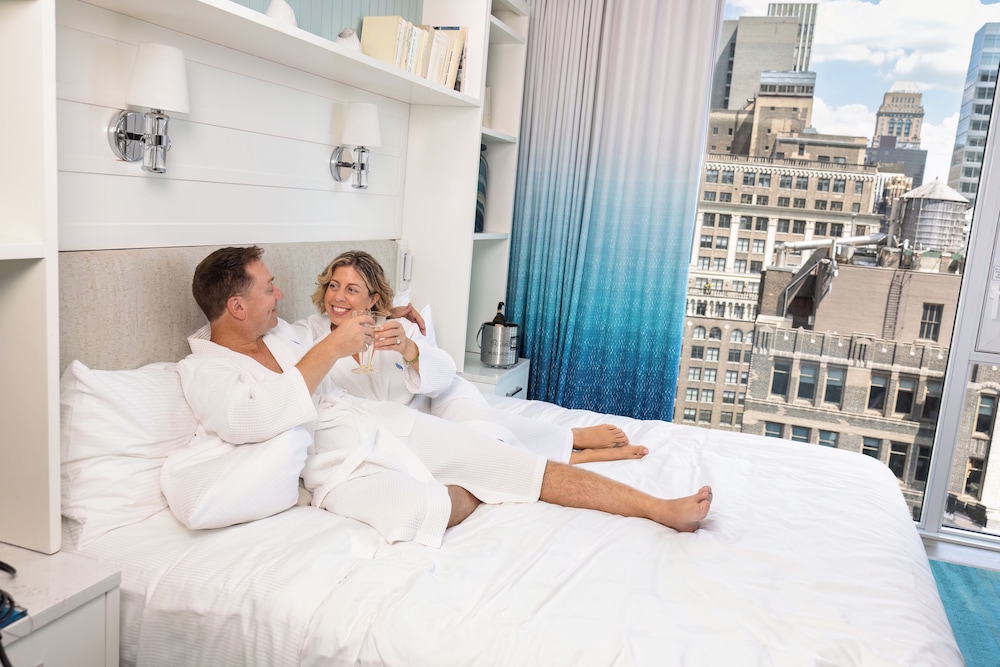
Margaritaville Resort Times Square
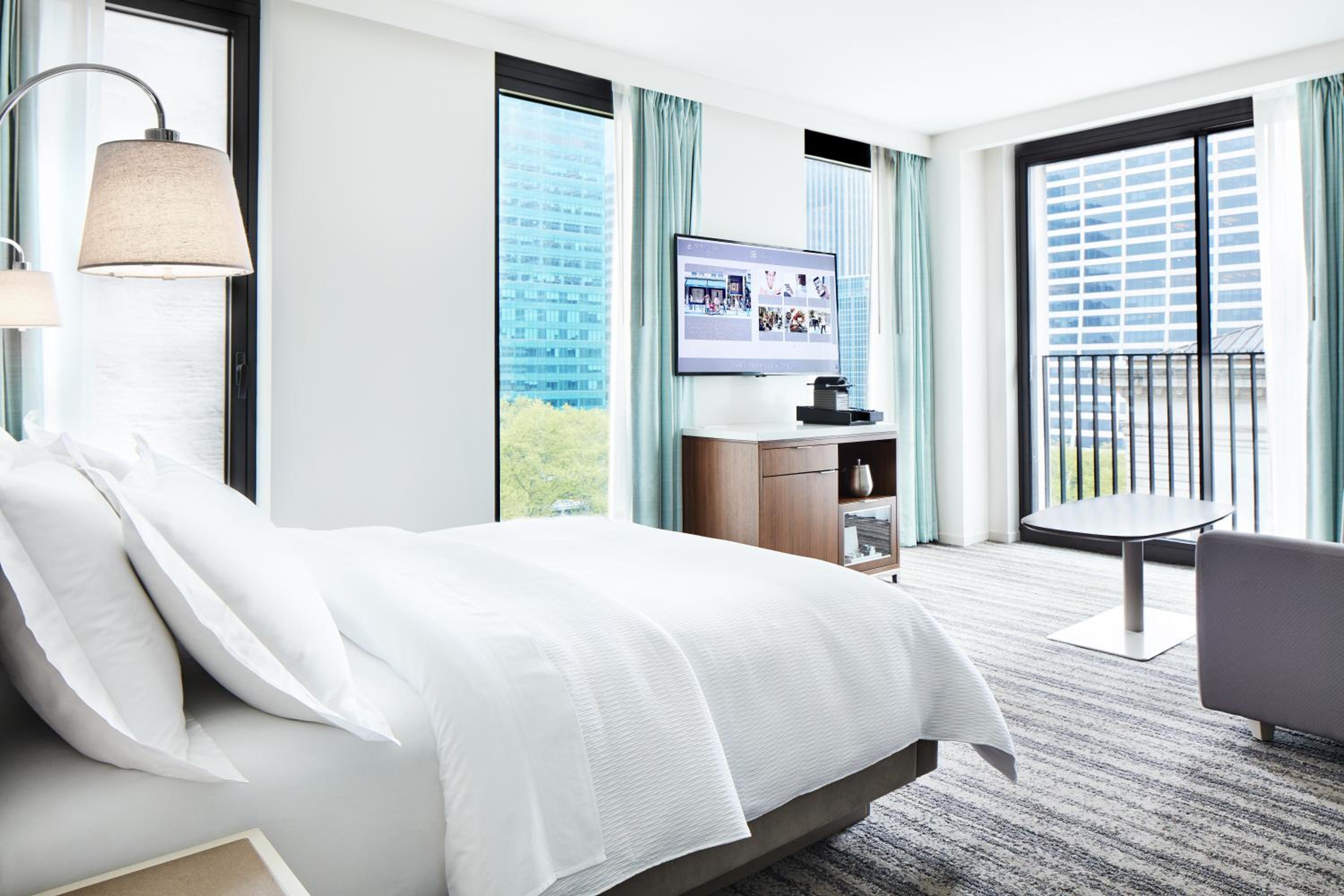
Park Terrace Hotel
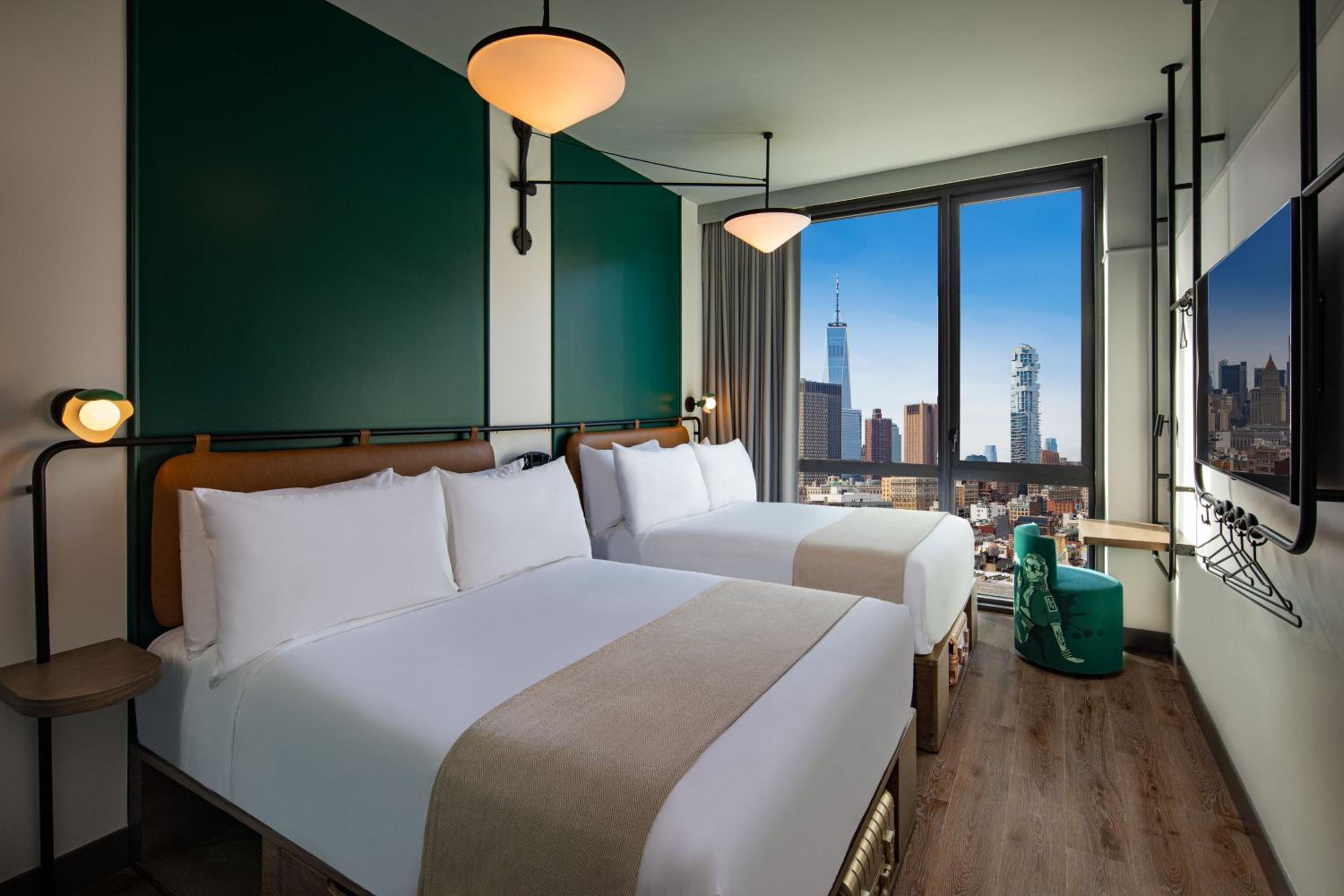
Moxy NYC Lower East Side
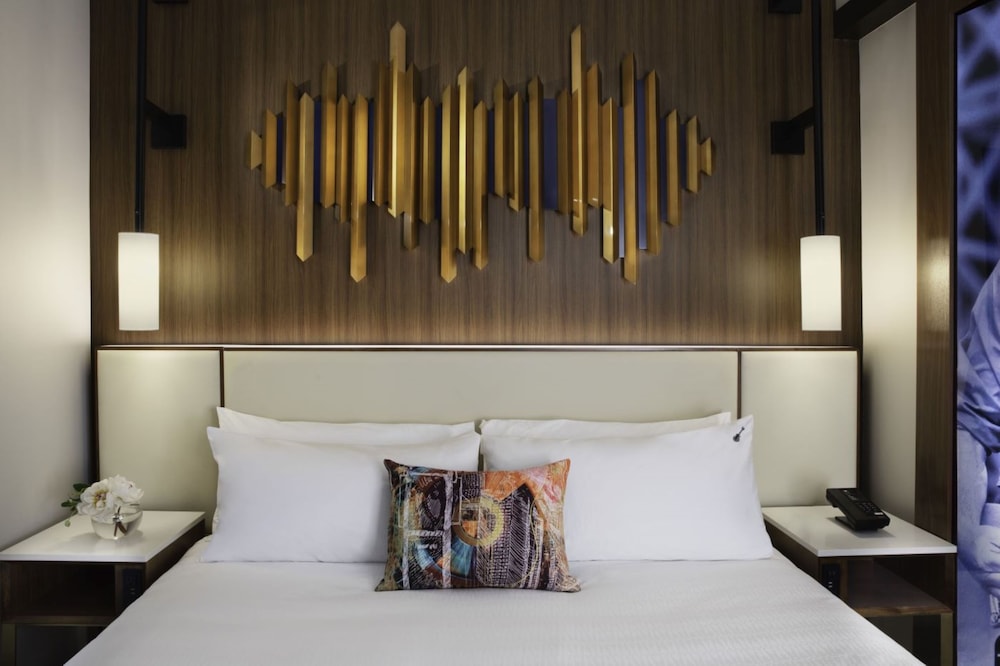
Hard Rock Hotel New York - Partner of ALL Accor
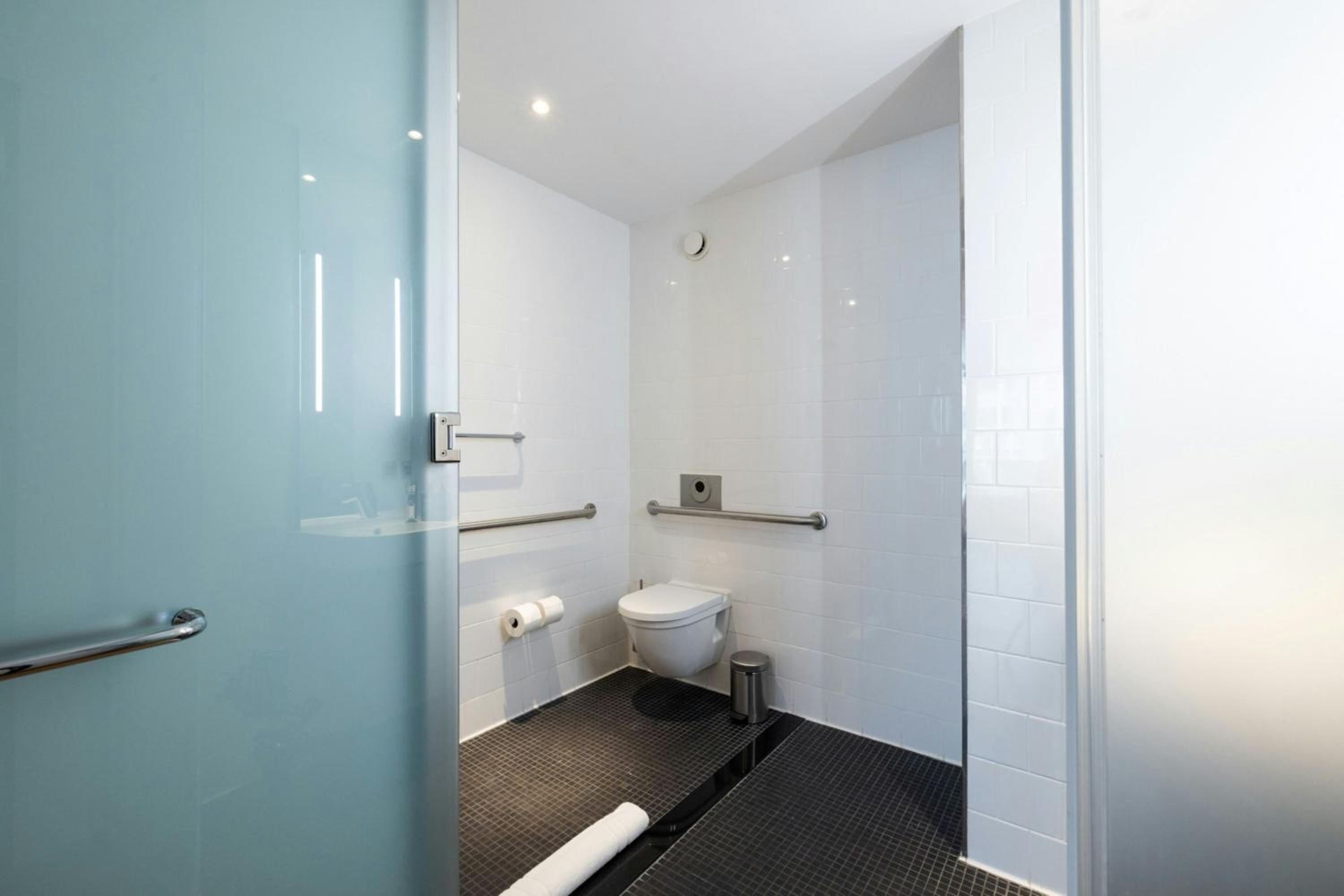
citizenM New York Times Square
Wheelchair Accessible Hotels in New York
New York at a Glance
- MTA buses are a practical accessible option across the city, while subway access depends on the station and entrance.
- Elevator status, platform direction, and the correct street corner should be checked before each subway trip.
- Manhattan pavements are extensive, but crowds, cellar doors, construction, and uneven kerb ramps create obstacles.
- Neighborhoods differ greatly in gradient, station access, pavement width, and the distance between useful services.
Wheelchair Accessibility in New York
New York, United States has a dense transport network, but wheelchair journeys need station level planning. MTA maps identify accessible subway stations, and live elevator status can prevent a difficult diversion. An accessible entrance may serve only a particular platform direction or sit across a major avenue. Buses provide broad coverage and can be simpler for shorter surface journeys.
Midtown and Lower Manhattan offer frequent crossings and extensive pavements, although pedestrian volume is intense. Parts of Greenwich Village have older, narrower surfaces, while Upper Manhattan and sections of Brooklyn can be hilly. Construction sheds, temporary closures, snow, and delivery activity change usable pavement space. Build a little flexibility into every route.
Finding the Right Accessible Hotel in New York
Midtown reduces travel time to theaters, major rail terminals, and central attractions, but the busiest blocks can be exhausting. Lower Manhattan works well for the harbor, memorial district, and routes into Brooklyn. Long Island City offers quick connections and wider modern streets in places. Match the neighborhood to the accessible stations you will actually use.
Ask the property about a step free street entrance, lift dimensions, bathroom layout, and the path from reception. Historic buildings may use a separate entrance or compact lift, while tower hotels can involve busy lobbies and long internal routes. Confirm the nearest accessible subway entrance by street corner, and keep a bus alternative for elevator disruptions.
What Makes New York Special for Wheelchair Users
Central Park has broad drives and major entrances, though its interior includes slopes and varied surfaces. The Metropolitan Museum of Art and Museum of Modern Art support substantial indoor visits nearby. The High Line provides an elevated perspective over the west side, but travelers should check the lift access point that best matches the planned section.
Lower Manhattan brings the National September Eleven Memorial, waterfront paths, and ferry terminals into a relatively compact area. Harbor ferries can offer memorable skyline views with less street travel, subject to operator boarding arrangements. In Brooklyn, the promenade at Brooklyn Bridge Park combines open paths and city views, while bridge approaches and cobbled areas need separate planning.