

Wheelchair Accessible Hotels in Madrid
Search accessible hotelsMadrid · Choose a date
Accessible hotels in Madrid
71 hotels found
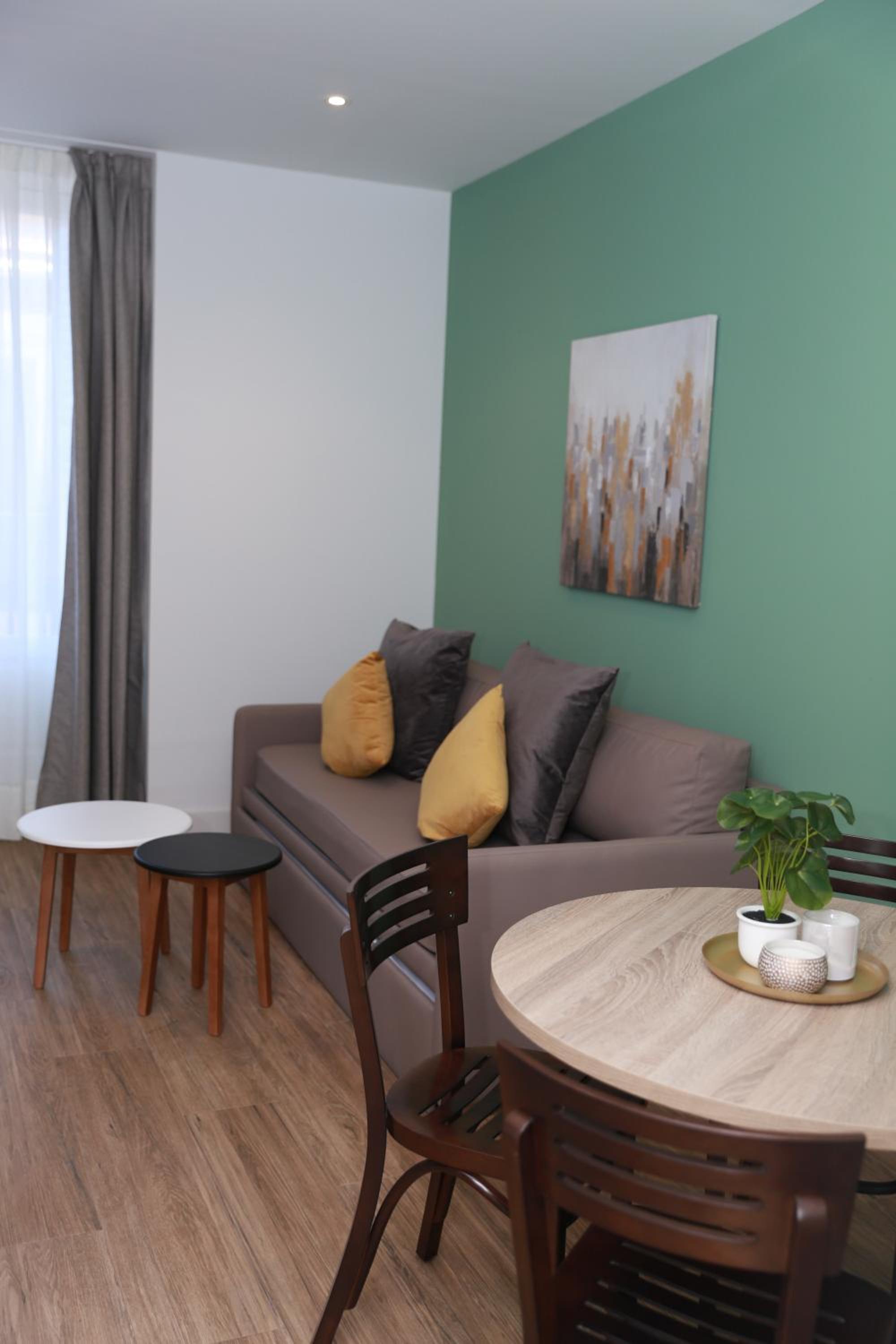
New Point Opera
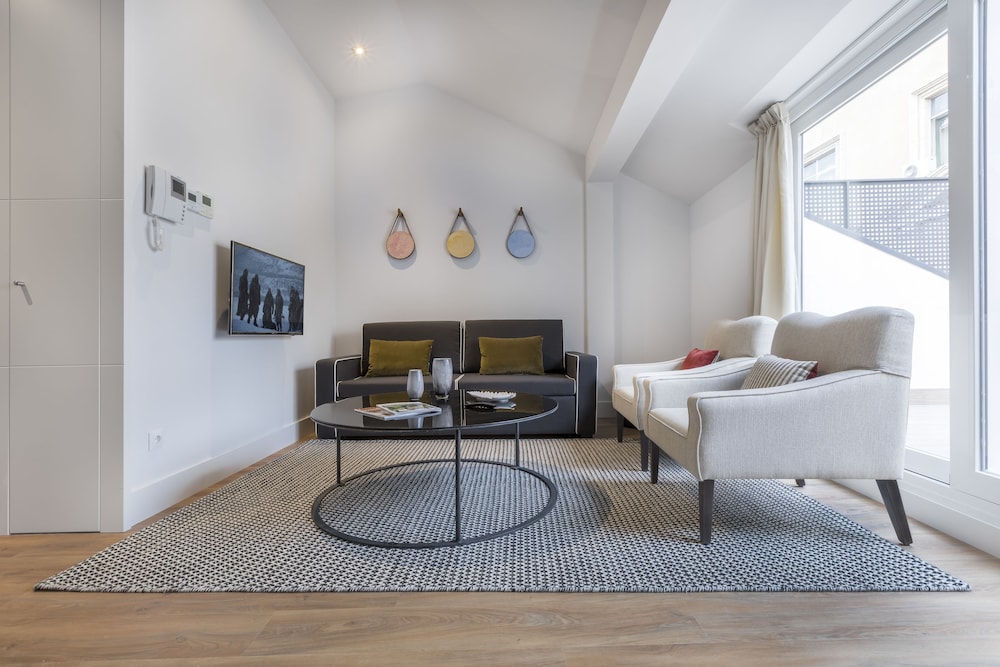
Slow Suites Bellas Artes
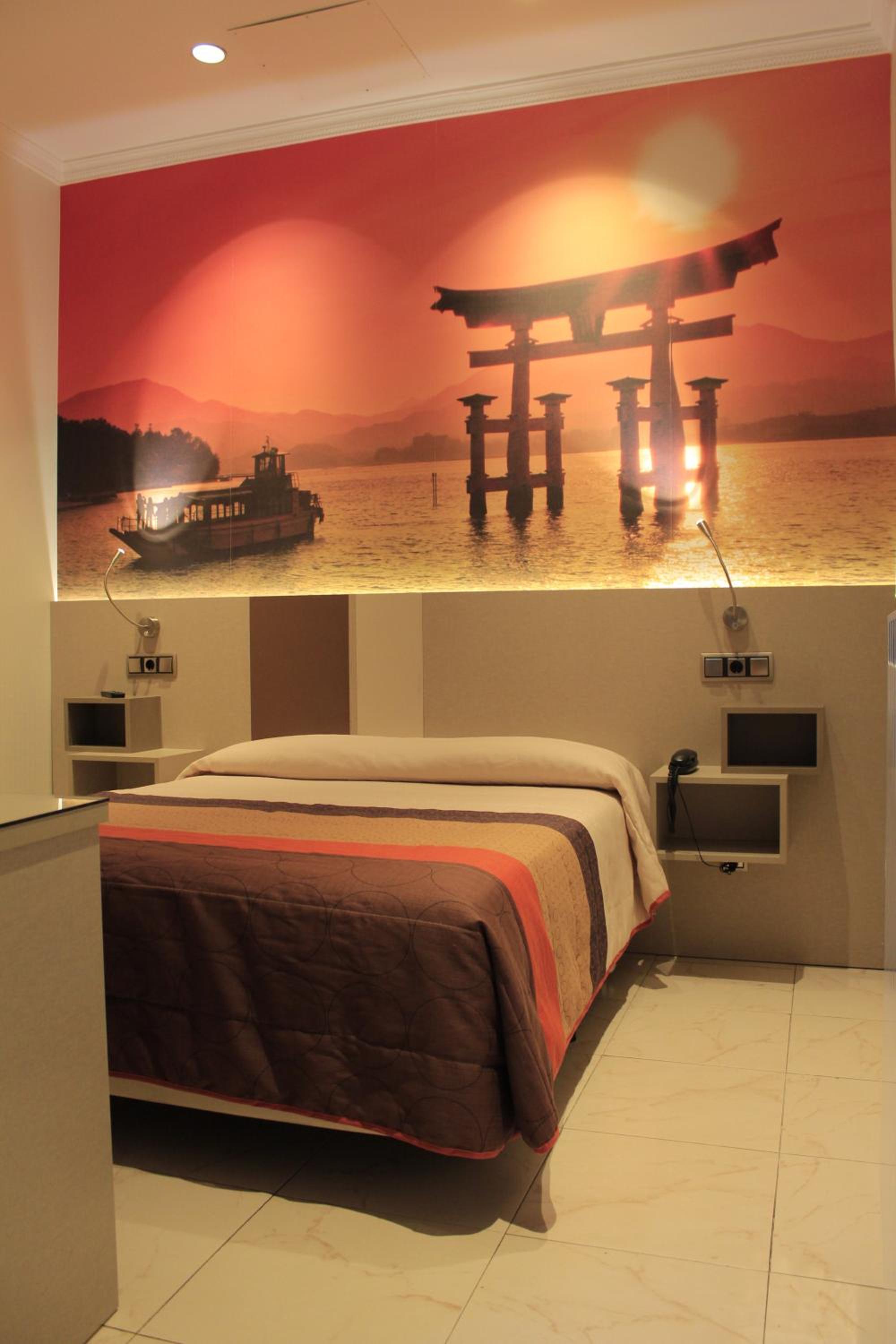
Hostal Atocha Almudena Martín
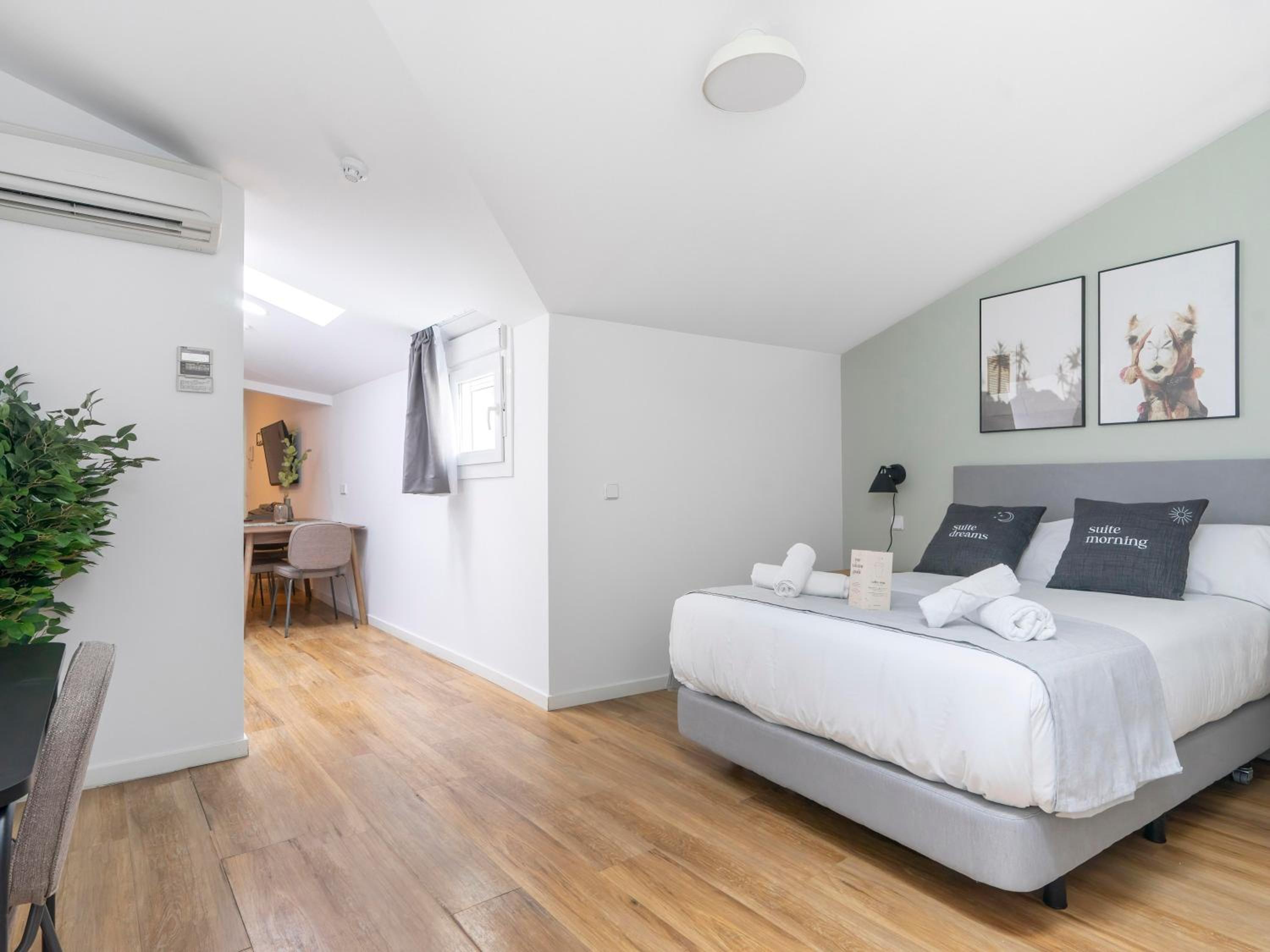
Limehome Madrid La Bolsa
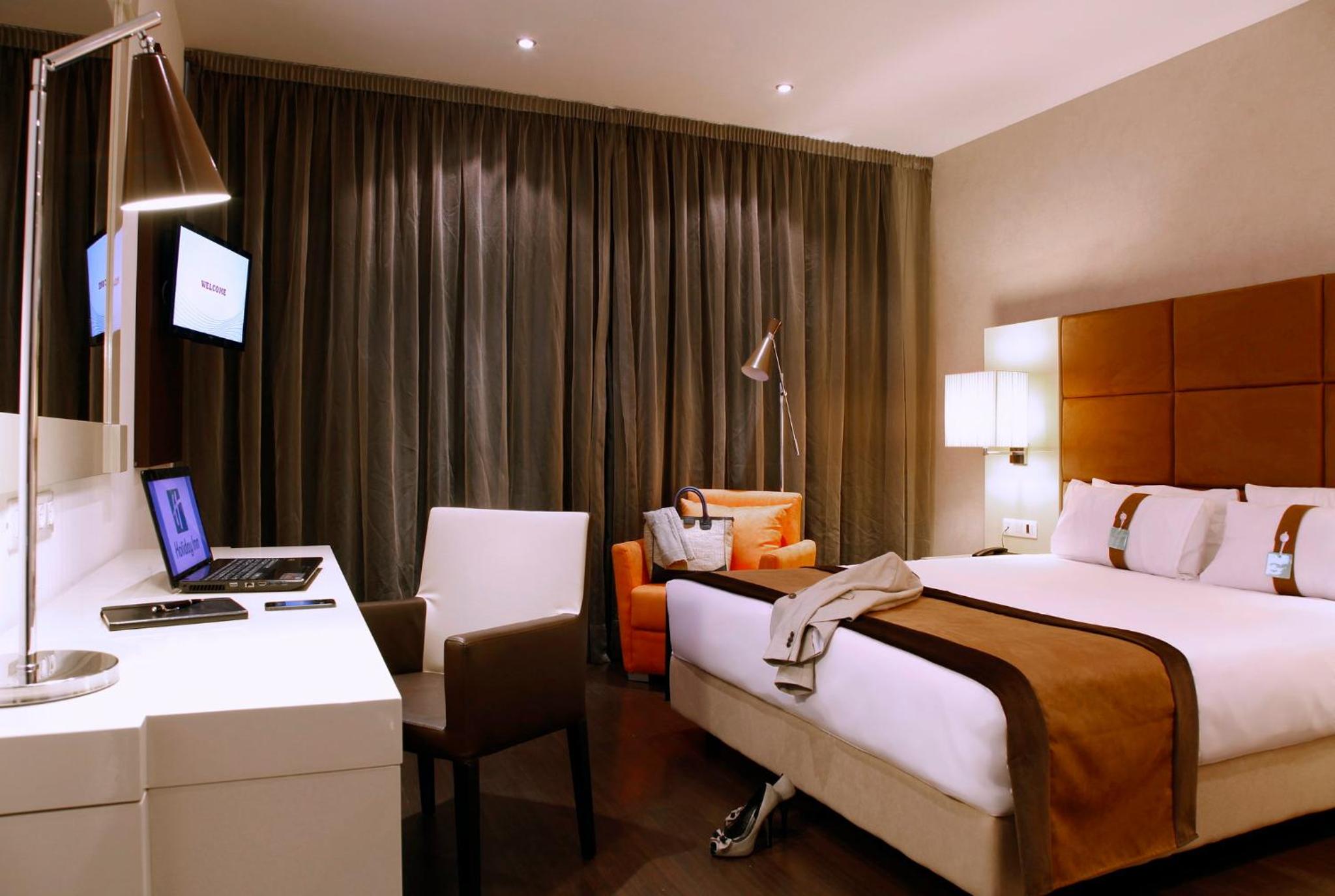
voco Madrid - Las Tablas by IHG
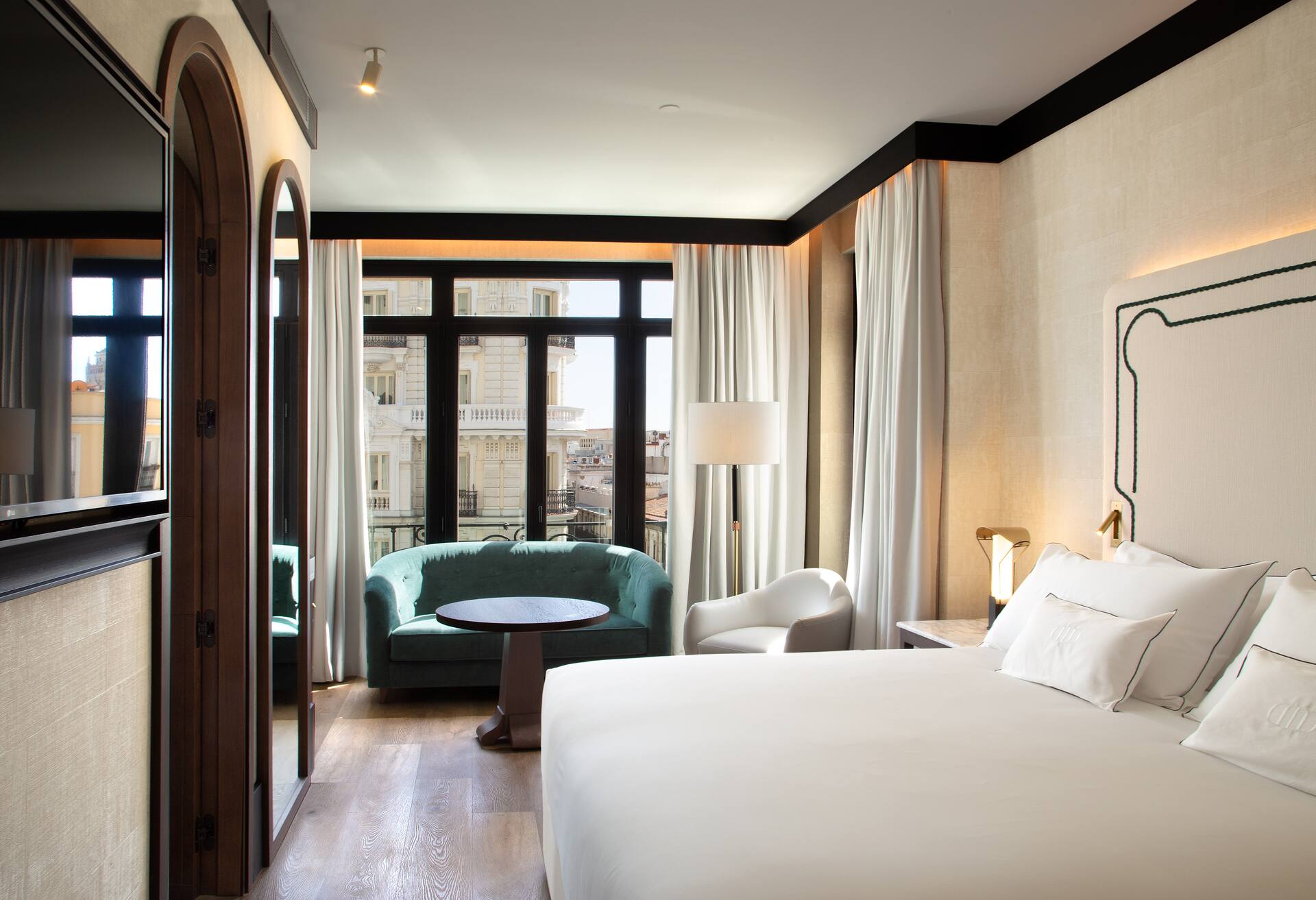
Hotel Montera Madrid, Curio Collection By Hilton
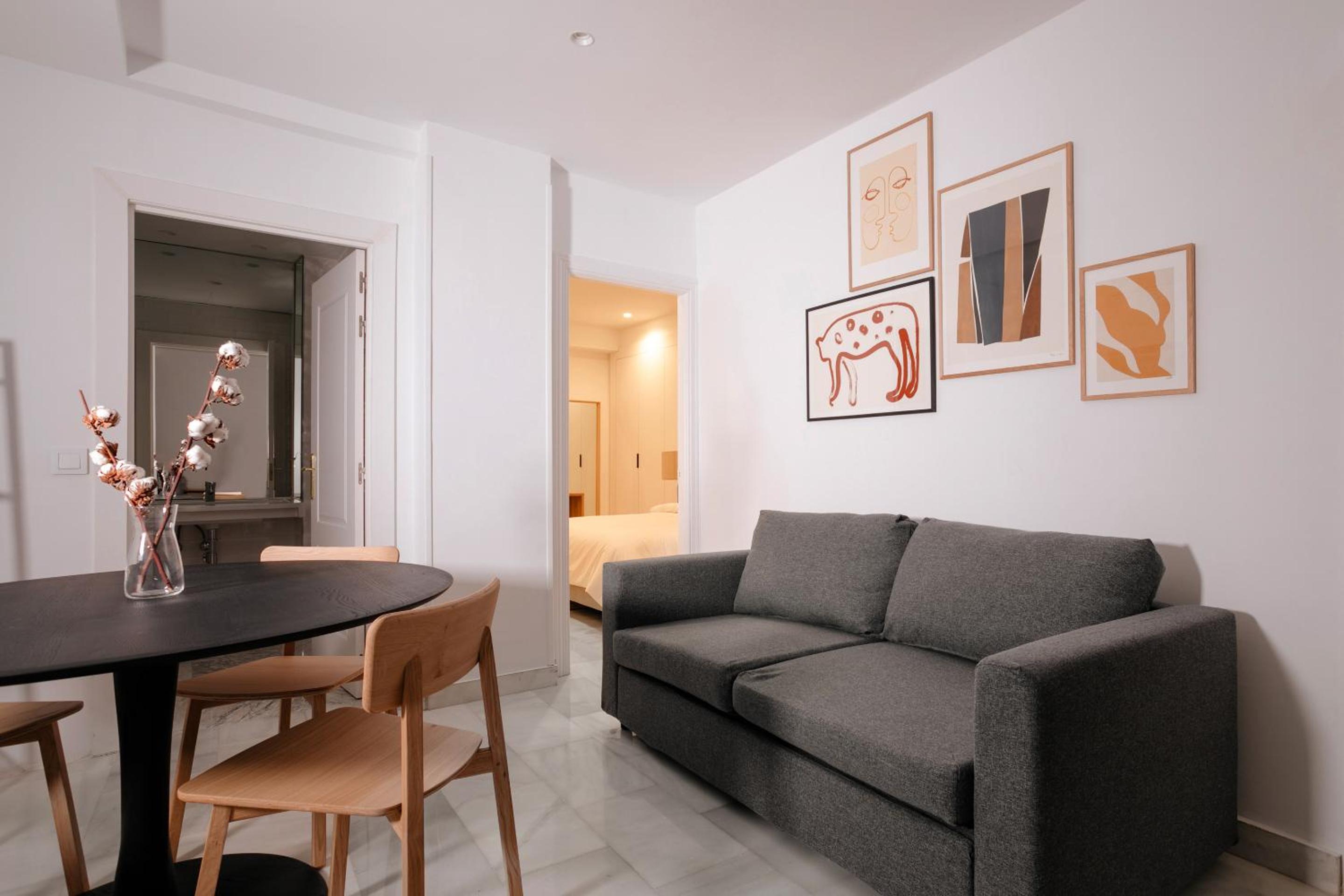
Limehome Madrid Sol
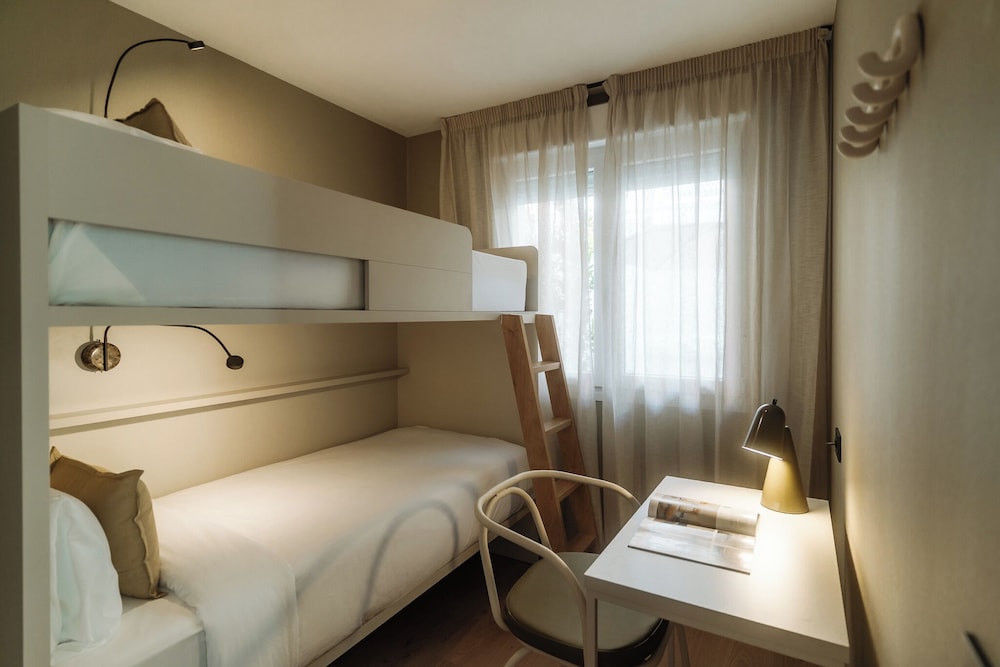
Via Monte Apartments
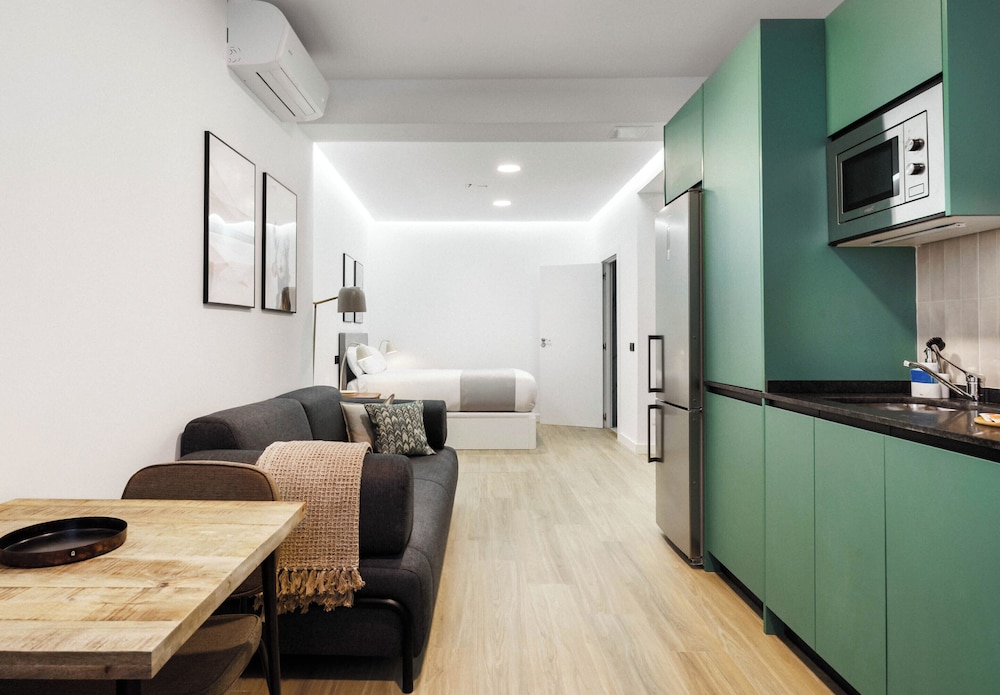
Limehome Madrid Calle de Matilde Diez
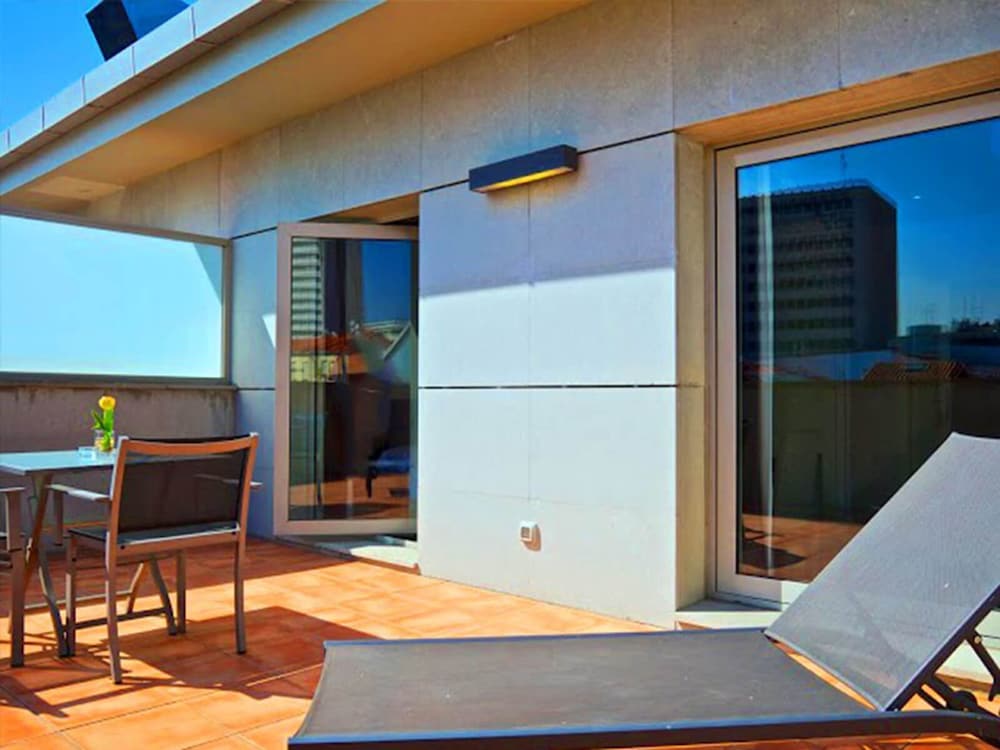
Suites Viena Plaza de España
Wheelchair Accessible Hotels in Madrid
At a Glance
- Newer Metro de Madrid lines provide the most consistent lift and step-free coverage.
- EMT buses are low-floor and use ramps with reserved wheelchair spaces.
- Paseo del Prado, Gran Vía, and Salamanca have broad, generally smooth pavements.
- Plaza Mayor, La Latina, and Lavapiés include cobbles, narrow lanes, and uneven kerbs.
Wheelchair accessibility in Madrid
In Madrid, Spain, the metro is useful but not uniformly step-free. Newer lines and major interchanges tend to have lifts, while older central stations can still interrupt an accessible journey. Check Metro de Madrid's station information before departure. EMT buses provide a dependable alternative, using low-floor vehicles, ramps, and designated wheelchair spaces across the city.
Madrid's plateau geography is kinder than many historic capitals, and long boulevards around Paseo del Prado, Recoletos, and Castellana are generally comfortable. The old centre changes quickly: Plaza Mayor has broad approaches, but nearby lanes toward La Latina and Lavapiés can bring cobbles and awkward kerbs. Shade is limited on exposed avenues during hot weather.
Finding the right accessible hotel in Madrid
A hotel along Paseo del Arte, near Atocha, or around Plaza de las Cortes creates a compact base for the Prado, Reina Sofía, Thyssen-Bornemisza, and Retiro. These districts combine wide pavements with bus and rail connections. Salamanca is also practical for smoother streets, although it places some headline sights farther away.
Sol and Gran Vía offer central transport, but verify the exact lift route at the chosen metro station. La Latina and Lavapiés have character yet require more care with slopes, paving, and older entrances. Ask the hotel to confirm the street threshold, lift dimensions, bed clearance, and bathroom turning space directly before travel.
What makes Madrid special for wheelchair users
The Prado uses a step-free entrance through its modern extension and lifts between gallery levels. Reina Sofía connects the Sabatini and Nouvel buildings with accessible internal routes, while the Thyssen-Bornemisza has a level entrance from Paseo del Prado. Together they form a strong cultural itinerary with short, mostly smooth transfers.
Retiro Park offers broad paved circuits toward the lake and Palacio de Cristal, although some side paths are gravel. The Royal Palace provides an adapted entrance and lifts to the main visitor route. Nearby Plaza de Oriente is a useful resting point, while the historic streets descending toward Madrid Río require closer attention to gradients.