

Wheelchair Accessible Hotels in Kyoto
Search accessible hotelsKyoto · Choose a date
Accessible hotels in Kyoto
62 hotels found
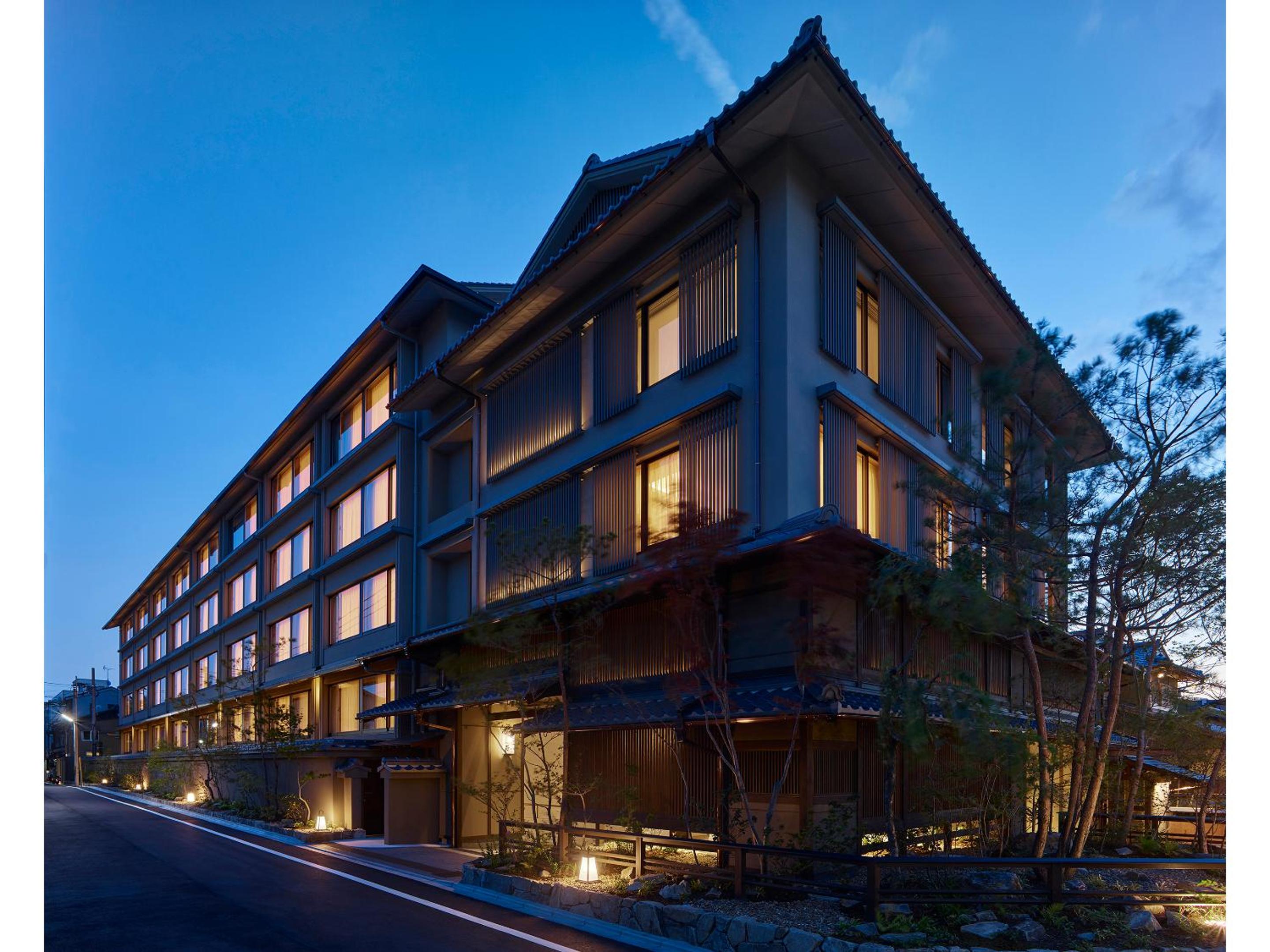
Hotel The Celestine Kyoto Gion
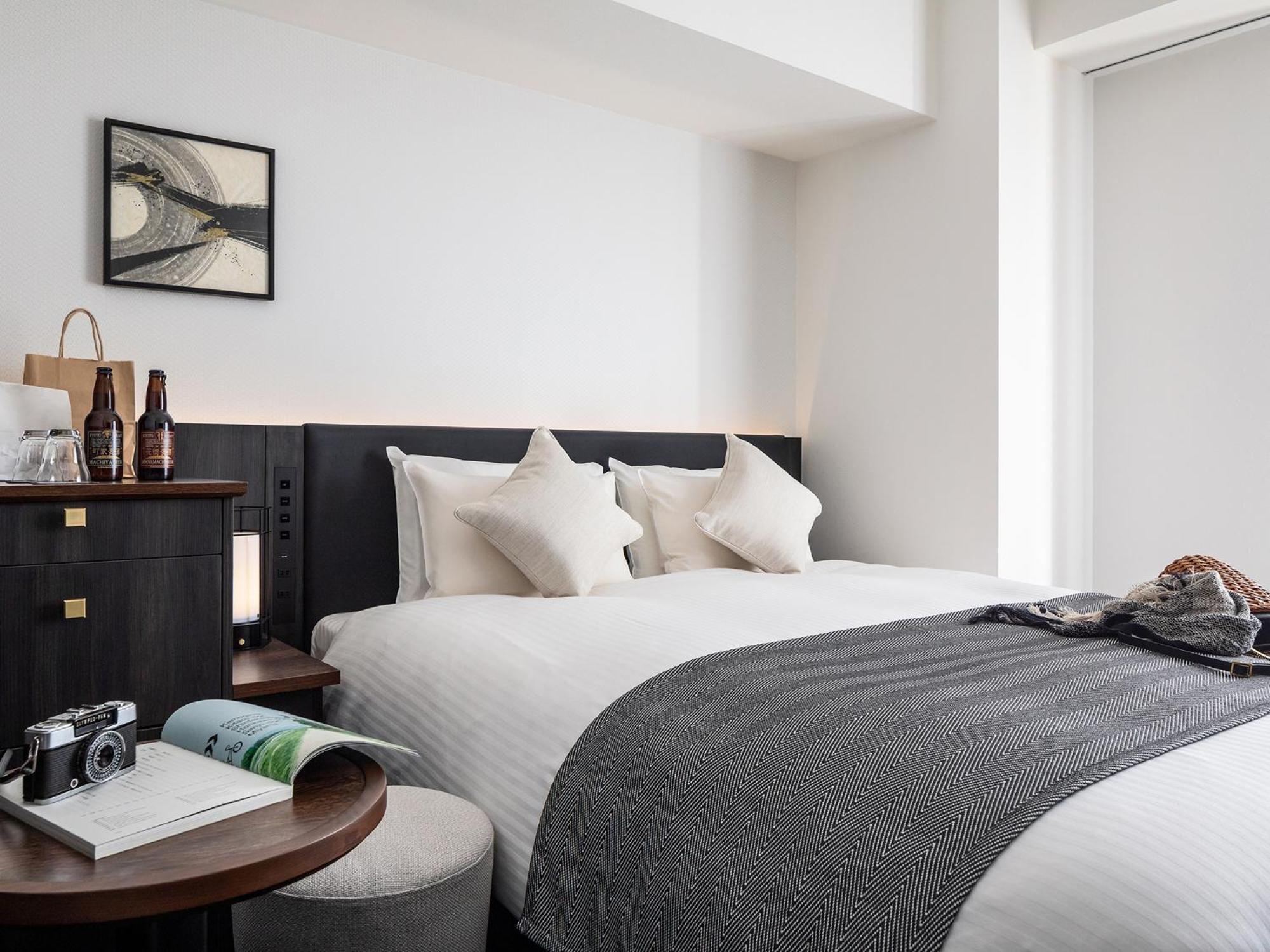
Mitsui Garden Hotel Kyoto Kawaramachi Jokyoji
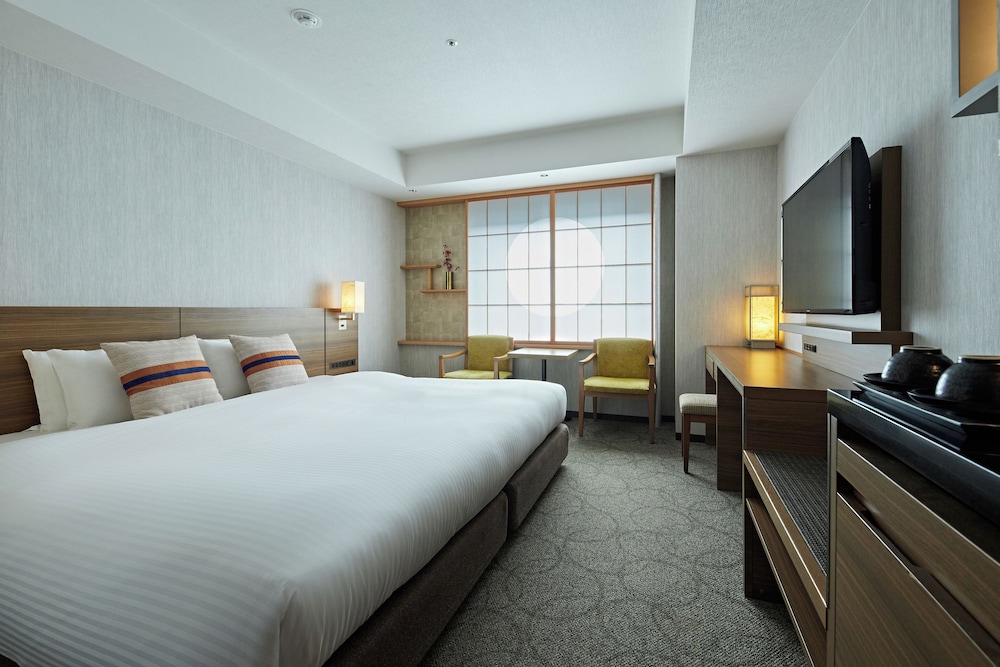
Mitsui Garden Hotel Kyoto Station
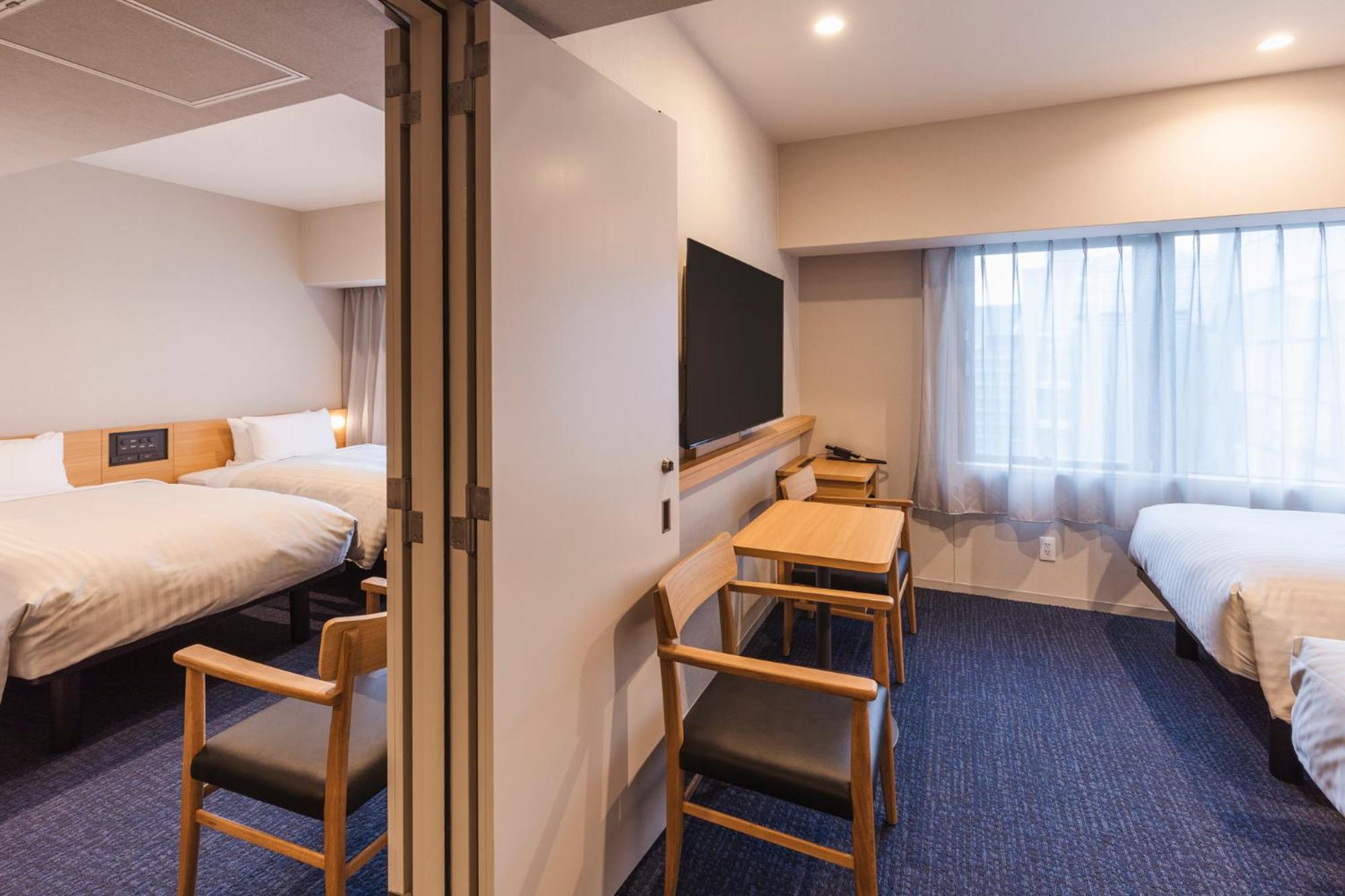
Sotetsu Fresa Inn Kyoto-Kiyomizu Gojo
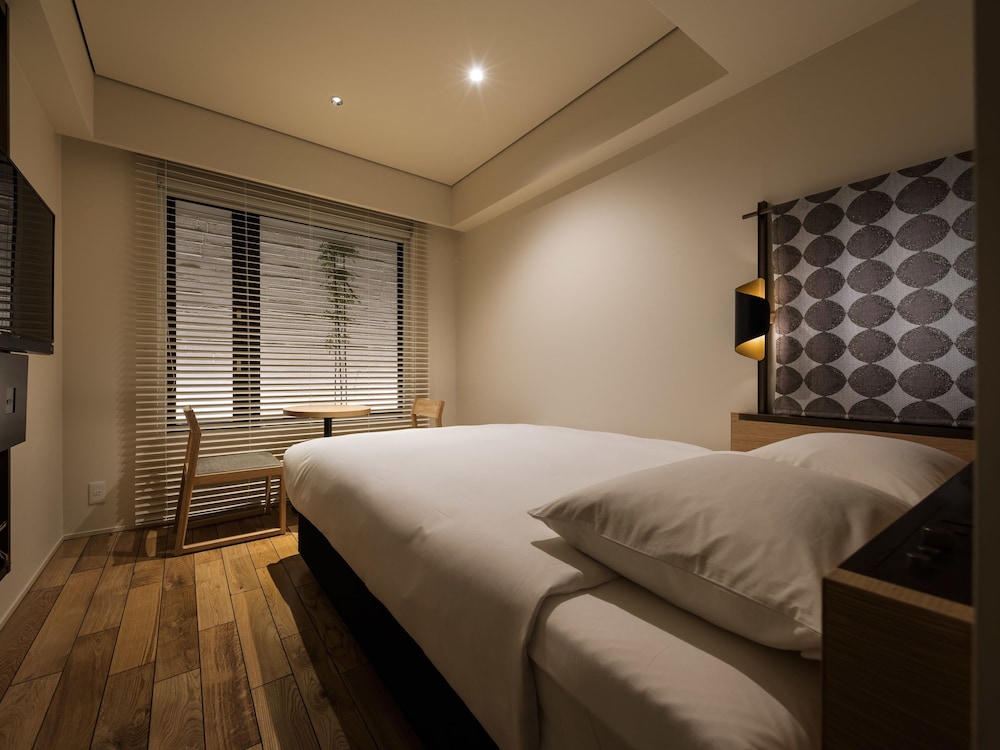
Kyoto Granbell Hotel
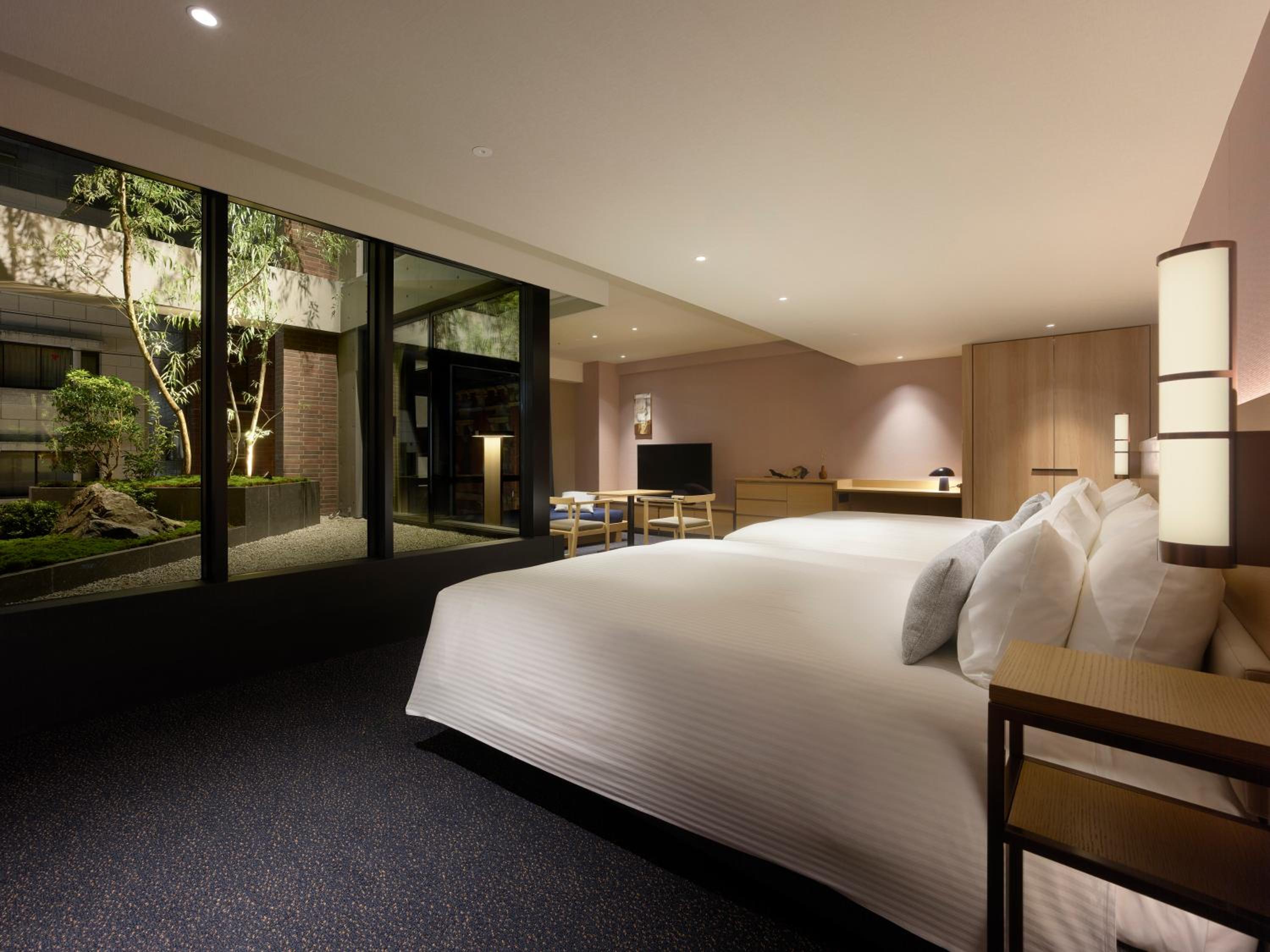
Mitsui Garden Hotel Kyoto Sanjo PREMIER
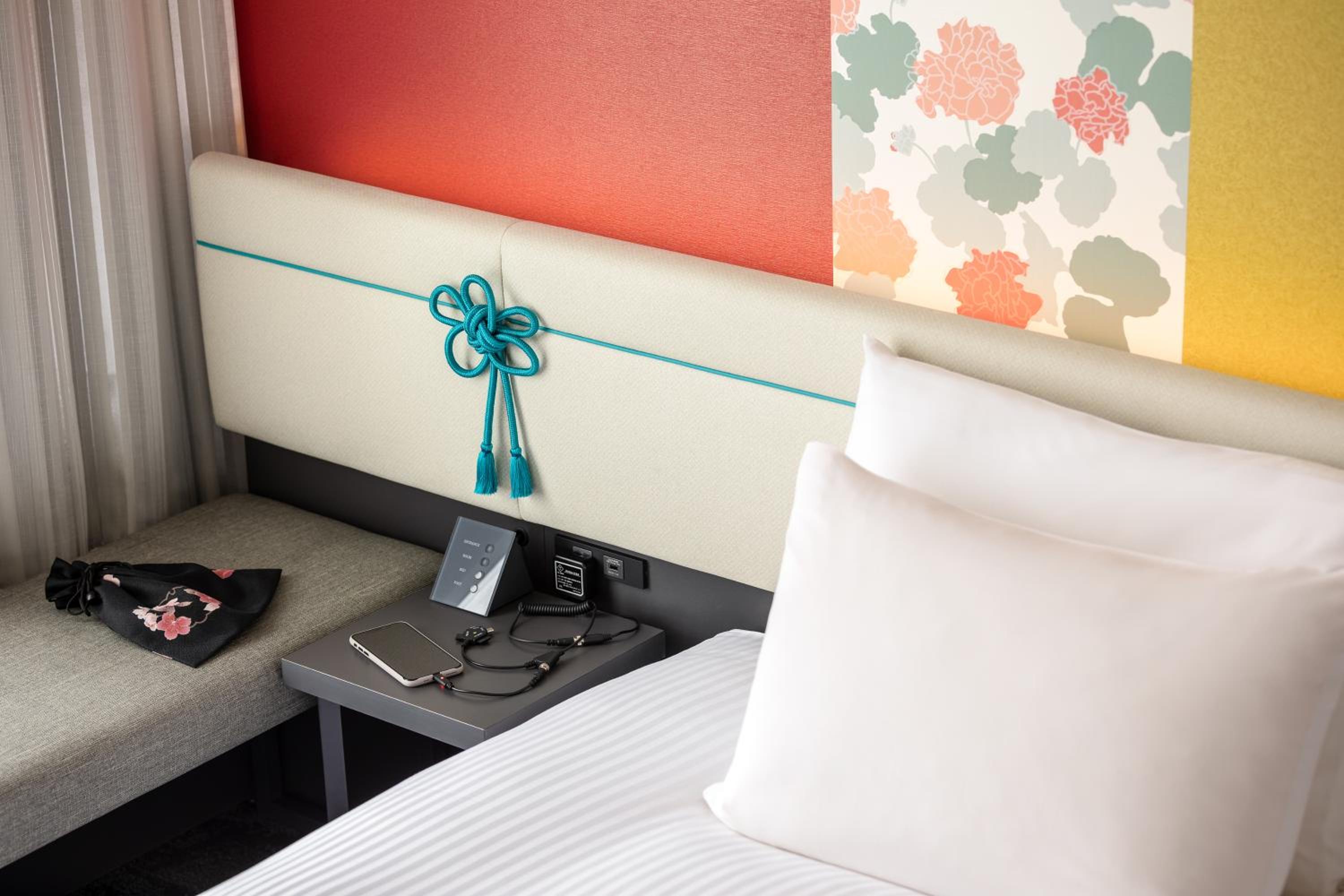
Mitsui Garden Hotel Kyoto Shijo
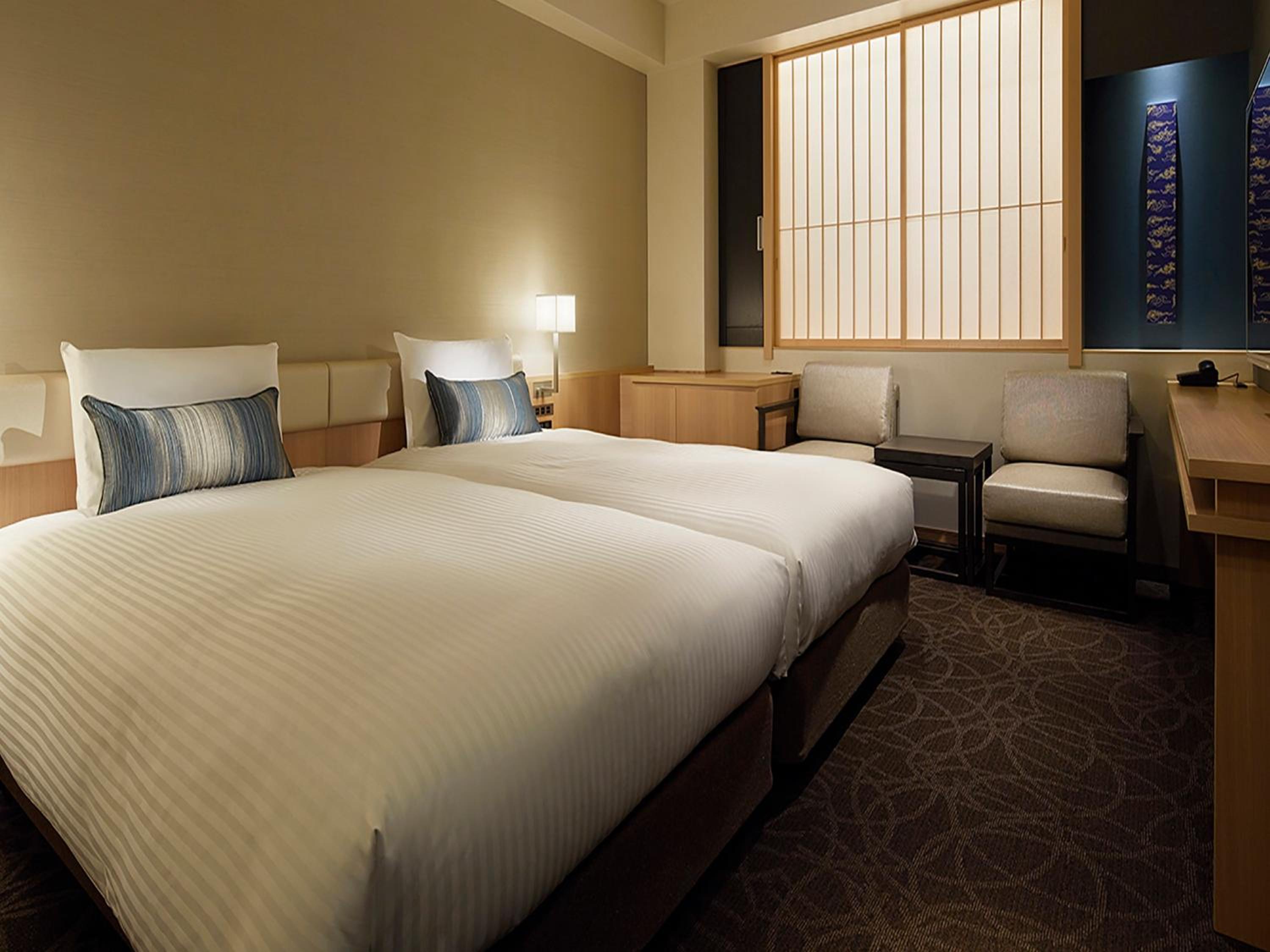
Mitsui Garden Hotel Kyoto Shinmachi Bettei
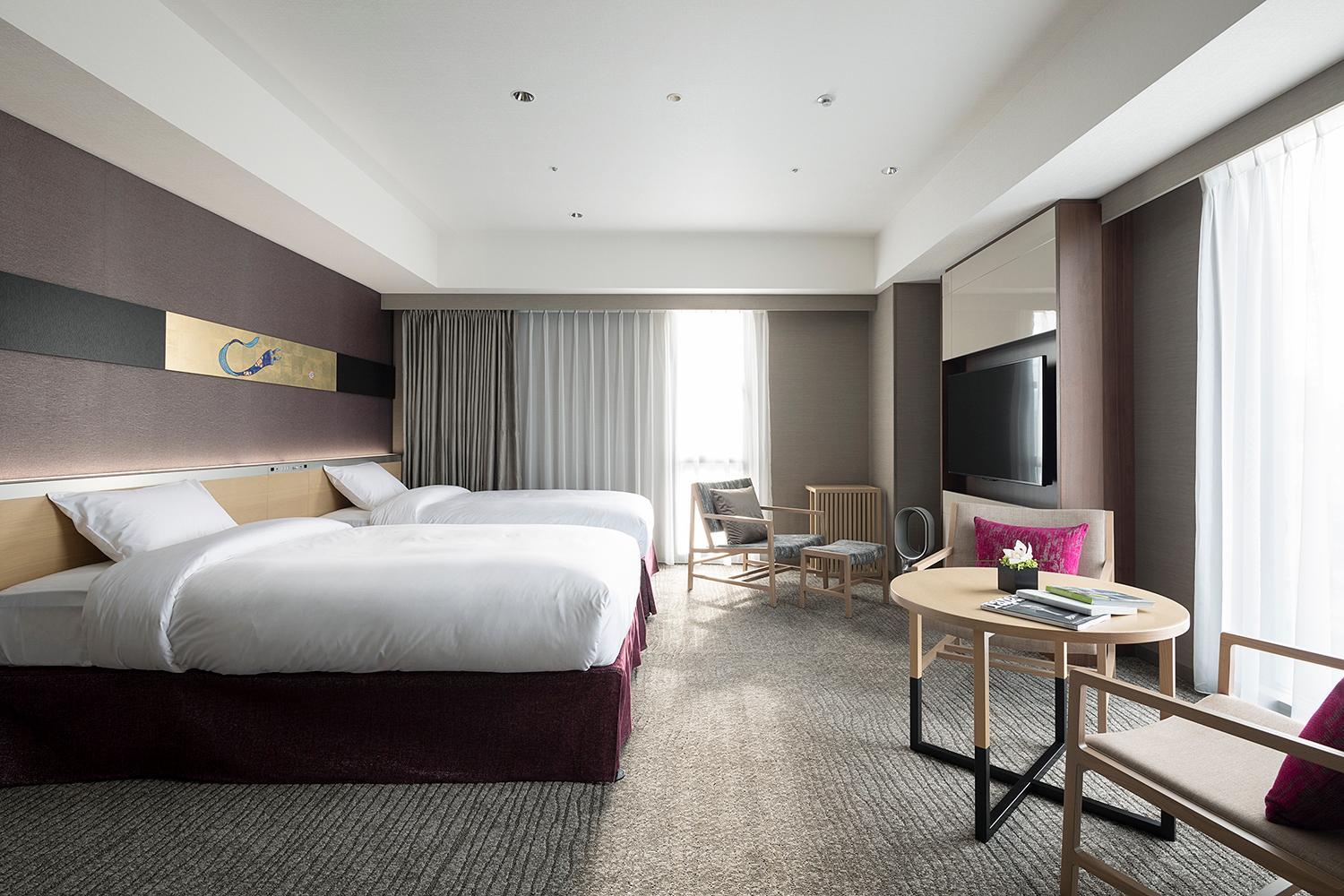
Cross Hotel Kyoto
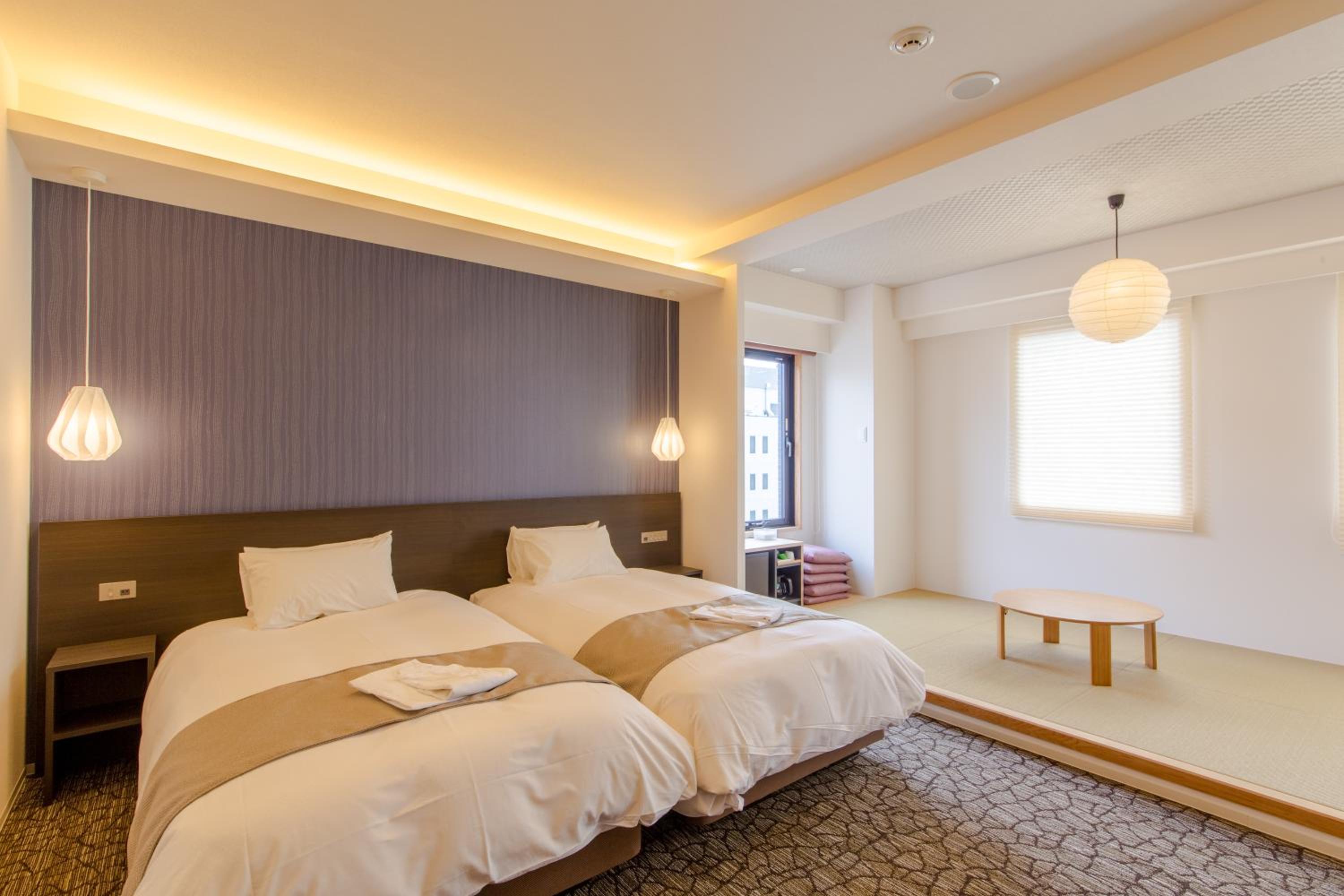
Hotel M's Plus Shijo Omiya
Wheelchair Accessible Hotels in Kyoto
Kyoto at a Glance
- Central Kyoto is broadly level, but temple approaches often introduce gravel, steep ramps, thresholds, or long flights of steps.
- Kyoto Municipal Subway and major JR stations provide useful lift routes, while the correct accessible exit matters at large interchanges.
- Low-floor buses serve many sights, although crowding and tight kerb space can make boarding less predictable.
- Tactile paving is widespread, and keeping wheels clear of its guidance lines helps everyone move safely.
Wheelchair accessibility in Kyoto
In Kyoto, Japan, the subway and JR rail network are the most predictable choices for longer journeys. Kyoto Station has lifts between transport levels, shopping areas, and street exits, but its size makes advance orientation worthwhile. City buses reach temples beyond the rail network and may use ramps. Travel outside peak periods when possible, position yourself near the marked boarding point, and allow space for the driver to deploy the ramp.
Downtown streets around Karasuma and Kawaramachi are mostly flat, with smoother main avenues than the narrow lanes of Gion. Drainage channels, shop thresholds, bicycles, and crowds create local obstacles. Temple and garden grounds vary sharply: one precinct may offer a level courtyard while another continues onto gravel, stepping stones, or hillside paths. Ask about the wheelchair route for the specific area you want to see.
Finding the right accessible hotel in Kyoto
Kyoto Station is practical for first-time visitors, day trips, airport transfers, and step-free rail connections. A hotel near the station can reduce dependence on crowded buses. Confirm the route from the chosen station exit, the entrance threshold, lift dimensions, bathroom layout, and whether the accessible entrance remains open at all hours.
Karasuma Oike gives central subway access with calmer streets, while Kawaramachi and Gion place dining and historic lanes nearby. Gion's narrower paving and busy evenings may be harder to navigate. Choose a property on a main avenue or close to a confirmed lift exit, then plan temple visits as individual trips rather than assuming adjacent sights share an accessible path.
What makes Kyoto special for wheelchair users
Nijo Castle provides adapted routes through much of its grounds, while surface changes and historic interiors still require attention. Kyoto Imperial Palace Park offers broad open space, although its gravel can be tiring for manual wheelchair users. A companion, power assistance, or a route along firmer edges can make the park more comfortable.
At Fushimi Inari, the lower shrine area can be appreciated without attempting the stair-filled mountain circuit. Kiyomizu-dera sits on a steep approach and needs careful advance planning. Arashiyama combines riverside scenery and bamboo paths, but crowds and station choice affect the experience. Kyoto works best when each landmark is researched separately and ambitious hillside routes are optional.